
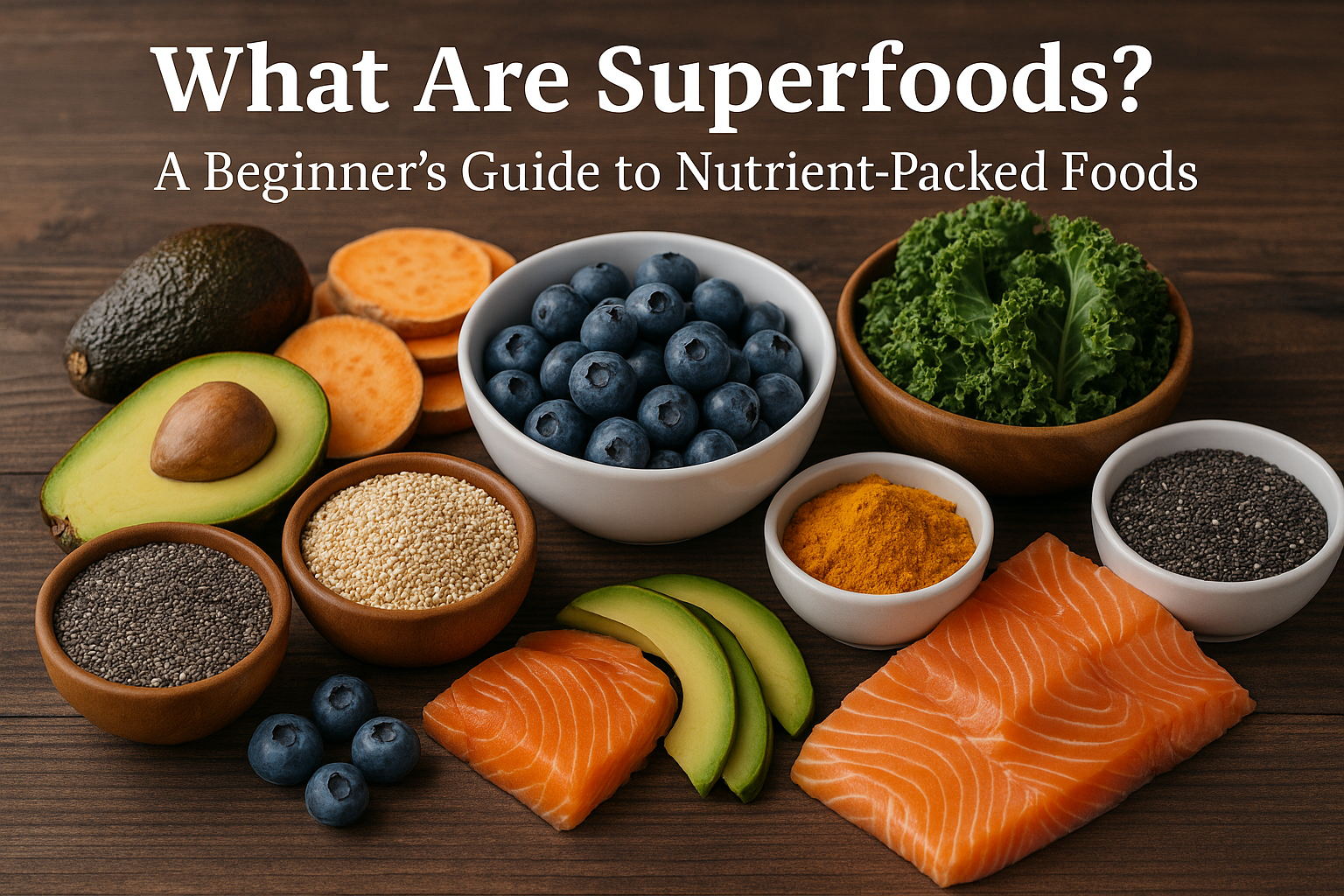
The term “superfood” has become a buzzword in the world of health and nutrition. You’ve probably seen it on food labels, in magazine headlines, or across social media—but what exactly makes a food “super”? Are these foods truly superior, or is it just clever marketing?
In this article, we’ll dive into the concept of superfoods, explore their health benefits, highlight popular examples, and offer practical tips for incorporating them into your daily meals. Whether you’re just starting your health journey or looking to optimize your diet, understanding superfoods is a great first step.
What Makes a Food a “Superfood”?
“Superfood” is not a scientific term. Instead, it’s a popular label used to describe foods that are rich in nutrients and offer significant health benefits with relatively few calories. These foods are typically loaded with:
- Antioxidants
- Vitamins and minerals
- Healthy fats
- Fiber
- Phytochemicals (plant compounds that protect against disease)
Superfoods stand out because they provide more than just basic nutrition—they actively support the body in preventing disease, enhancing energy levels, and boosting overall health.
Health Benefits of Superfoods
While each superfood has its own unique benefits, here are some of the most common health improvements associated with them:
1. Improved Heart Health
Many superfoods, such as berries, oats, and avocados, contain nutrients like omega-3 fatty acids, fiber, and antioxidants that are known to reduce bad cholesterol, lower blood pressure, and support a healthy cardiovascular system.
2. Enhanced Immune Function
Foods like garlic, ginger, and citrus fruits help strengthen the immune system with compounds such as vitamin C, zinc, and sulfur-containing compounds.
3. Anti-Inflammatory Effects
Chronic inflammation is a root cause of many diseases. Superfoods like turmeric, leafy greens, and green tea have natural anti-inflammatory properties.
4. Weight Management
Due to their high fiber content and low energy density, many superfoods help promote satiety and reduce calorie intake, aiding in weight control.
5. Better Brain Function
Nutrients like omega-3s (found in walnuts and fatty fish) and flavonoids (found in dark chocolate and blueberries) are known to support memory, learning, and mood regulation.
Popular Examples of Superfoods
Let’s look at some common superfoods that you can easily find in most grocery stores:
Blueberries
Often called a “brain food,” blueberries are rich in antioxidants called anthocyanins, which are linked to improved cognitive function and reduced risk of chronic diseases.
Kale
This leafy green is packed with vitamins A, C, and K, as well as calcium and antioxidants. It’s a great addition to smoothies, salads, or stir-fries.
Salmon
A fatty fish rich in omega-3 fatty acids, protein, and B vitamins. Salmon is known for supporting heart and brain health.
Quinoa
A gluten-free grain that’s high in protein, fiber, and essential amino acids. It’s perfect as a base for salads, bowls, or side dishes.
Chia Seeds
Tiny but mighty, chia seeds are loaded with fiber, omega-3s, and protein. They absorb water and swell up, which helps keep you full for longer.
Turmeric
This vibrant yellow spice contains curcumin, a compound with powerful anti-inflammatory and antioxidant effects.
Avocado
Rich in monounsaturated fats, fiber, and potassium, avocados support heart health and help regulate blood pressure.
Are Superfoods a Magic Bullet?
It’s important to remember that no single food—no matter how “super”—can provide all the nutrition your body needs. A balanced diet with a wide variety of fruits, vegetables, whole grains, lean proteins, and healthy fats is essential.
Superfoods can complement a healthy diet, but they are not a substitute for one.
How to Add Superfoods to Your Diet
The good news? You don’t need to overhaul your entire lifestyle to enjoy the benefits of superfoods. Here are some easy tips to get started:
1. Start Small
Choose one or two superfoods and find simple ways to add them into meals you already enjoy. For example, sprinkle chia seeds over your yogurt or blend spinach into a smoothie.
2. Keep It Fresh
Whenever possible, opt for fresh, whole versions of superfoods rather than processed forms. Fresh fruits, vegetables, and whole grains retain more nutrients.
3. Experiment With Recipes
Try new ways to prepare superfoods—roast sweet potatoes, bake with oats, or make turmeric tea. This keeps your meals exciting and nutritious.
4. Read Labels Carefully
If you’re buying packaged foods that claim to be “superfood-rich,” check the ingredient list. Avoid products with added sugars, preservatives, or low-quality ingredients.
5. Combine Superfoods
Pairing superfoods can boost their benefits. For instance, eating leafy greens with a source of healthy fat like olive oil improves absorption of fat-soluble vitamins.
Final Thoughts: Fuel Your Body With Superfoods
Superfoods are a powerful tool to boost your nutrition and support your long-term health. They’re nutrient-dense, versatile, and increasingly accessible—even on a budget.
The key is not to treat them as miracle fixes but as part of a well-rounded, sustainable eating pattern. By making smart, gradual changes and incorporating more superfoods into your meals, you’ll be well on your way to feeling energized, strong, and healthy from the inside out.