
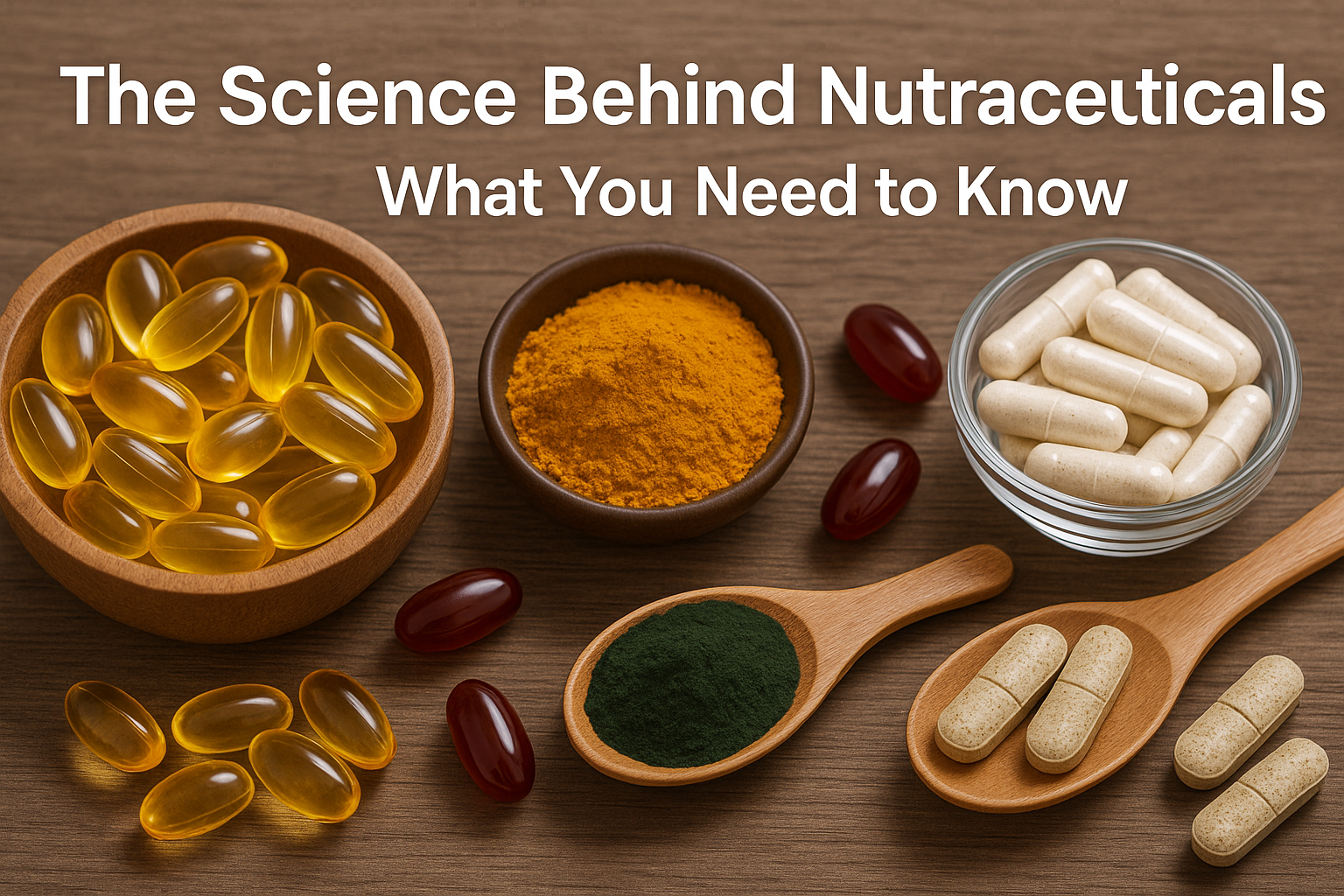
Nutraceuticals are increasingly being recognized as powerful tools in preventive health care. More than just trendy supplements or buzzwords, these compounds sit at the intersection of nutrition and pharmaceuticals—offering natural, food-derived solutions to support human health. But what exactly are nutraceuticals, and how do they work?
In this guide, we’ll explore the science behind nutraceuticals, how they differ from traditional supplements and medications, and why they’re gaining so much attention in the world of functional health.
What Are Nutraceuticals?
The term nutraceutical was coined by Dr. Stephen DeFelice in 1989 by combining “nutrition” and “pharmaceutical.” It refers to any substance that is a food or part of a food that provides medical or health benefits, including the prevention and treatment of disease.
Nutraceuticals can be:
- Naturally occurring in food (like omega-3s in salmon)
- Extracted and concentrated (like curcumin from turmeric)
- Fortified into foods (like probiotics in yogurt)
Common Categories of Nutraceuticals:
- Dietary supplements: vitamins, minerals, amino acids, enzymes
- Functional foods: fortified cereals, probiotic yogurts
- Medicinal foods: intended to treat specific conditions under medical supervision
- Farmaceuticals: genetically modified crops that produce medicinal compounds
Balance Your Blood Sugar Naturally with GlucoCalm
A powerful plant-based formula designed to support glucose metabolism and energy levels.
👉 Learn MoreHow Do Nutraceuticals Work?
Unlike pharmaceuticals that often target symptoms, nutraceuticals support the body at a cellular and systemic level. They help restore balance, improve function, and prevent disease progression. Their mechanisms of action include:
- Antioxidant effects: reducing oxidative stress that damages cells
- Anti-inflammatory properties: calming chronic inflammation, a root cause of many diseases
- Immune system modulation: strengthening or regulating immune responses
- Gut health support: improving digestion and nutrient absorption
- Cell signaling regulation: influencing how cells grow, repair, or self-destruct (apoptosis)
Benefits of Nutraceuticals (Backed by Science)
While not all nutraceutical claims are created equal, many are supported by clinical research. Here are some evidence-based benefits:
1. Cardiovascular Health
Omega-3 fatty acids, found in fish oil and flaxseed, help reduce triglycerides, lower blood pressure, and decrease inflammation in arteries.
2. Brain Function
Compounds like phosphatidylserine, curcumin, and resveratrol may enhance memory, reduce neuroinflammation, and support cognitive health as we age.
3. Joint and Bone Support
Glucosamine, chondroitin, and collagen peptides can reduce joint pain and support cartilage regeneration in osteoarthritis patients.
4. Gut Health
Probiotics (like Lactobacillus and Bifidobacterium) balance gut bacteria, supporting digestion, immunity, and even mood regulation through the gut-brain axis.
5. Skin and Anti-Aging
Antioxidants like vitamin C, E, and astaxanthin protect the skin from UV damage, reduce wrinkles, and improve elasticity.
6. Blood Sugar and Metabolism
Cinnamon extract, chromium, and berberine have been shown to help regulate blood glucose and improve insulin sensitivity.
Are Nutraceuticals Safe?
For the most part, nutraceuticals derived from whole foods are safe when consumed in moderation. However, not all supplements are created equal, and high doses or interactions with medications can cause problems.
Key Safety Tips:
- Choose high-quality brands with transparent ingredient lists and third-party testing.
- Consult a healthcare provider before starting new supplements—especially if you take prescription medication.
- Watch for overuse: Some nutrients (like fat-soluble vitamins A, D, E, and K) can build up and cause toxicity.
Nutraceuticals vs. Pharmaceuticals
Though the names sound similar, nutraceuticals and pharmaceuticals have distinct differences:
| Feature | Nutraceuticals | Pharmaceuticals |
|---|---|---|
| Source | Food-derived, natural compounds | Synthetic or isolated chemical compounds |
| Regulation | Lightly regulated (in many countries) | Strictly regulated by medical authorities |
| Purpose | Prevention, wellness, support | Treatment, cure of specific conditions |
| Side Effects | Generally mild, if any | Can be severe or numerous |
| Accessibility | Over-the-counter, dietary use | Prescription-only in many cases |
Despite these differences, some nutraceuticals are being studied and even approved for therapeutic use, especially in fields like oncology, neurology, and sports medicine.
Trends in Nutraceutical Research
The global nutraceutical industry is expected to surpass $600 billion by 2030, driven by consumer demand for natural solutions and preventive care.
Some current hot topics in nutraceutical research include:
- Nutrigenomics: how nutraceuticals interact with our genes
- Personalized nutrition: matching nutraceuticals to individual biology
- Nanotechnology: enhancing absorption of poorly soluble compounds like curcumin
- Synergistic blends: combining compounds for greater efficacy
Practical Tips for Choosing Nutraceuticals
If you’re interested in trying nutraceuticals, here’s how to get started wisely:
1. Identify Your Health Goals
Do you want to improve digestion, boost immunity, or enhance focus? Knowing your priorities helps you choose targeted products.
2. Do Research
Check if the compound has clinical trials or studies supporting its use. PubMed and other scientific databases are excellent resources.
3. Look for Quality Certifications
Reputable nutraceutical brands will often display certifications like:
- NSF Certified
- GMP (Good Manufacturing Practice)
- USP Verified
4. Start With Food First
Before spending on supplements, try incorporating natural sources of nutraceuticals in your diet—like turmeric, garlic, or green tea.
5. Track Your Response
Everyone’s biology is different. Keep a journal or use an app to track any changes in energy, sleep, digestion, or mood after starting a new product.
Why Nutraceuticals Matter in Modern Wellness
With the rise of chronic diseases and aging populations, more people are seeking natural ways to stay healthy, avoid pharmaceuticals, and extend their quality of life. Nutraceuticals offer a promising bridge between food and medicine—empowering individuals to take charge of their health through informed choices.
They are not miracle cures, but when used wisely, nutraceuticals can be powerful allies in living a longer, stronger, and more vibrant life.