
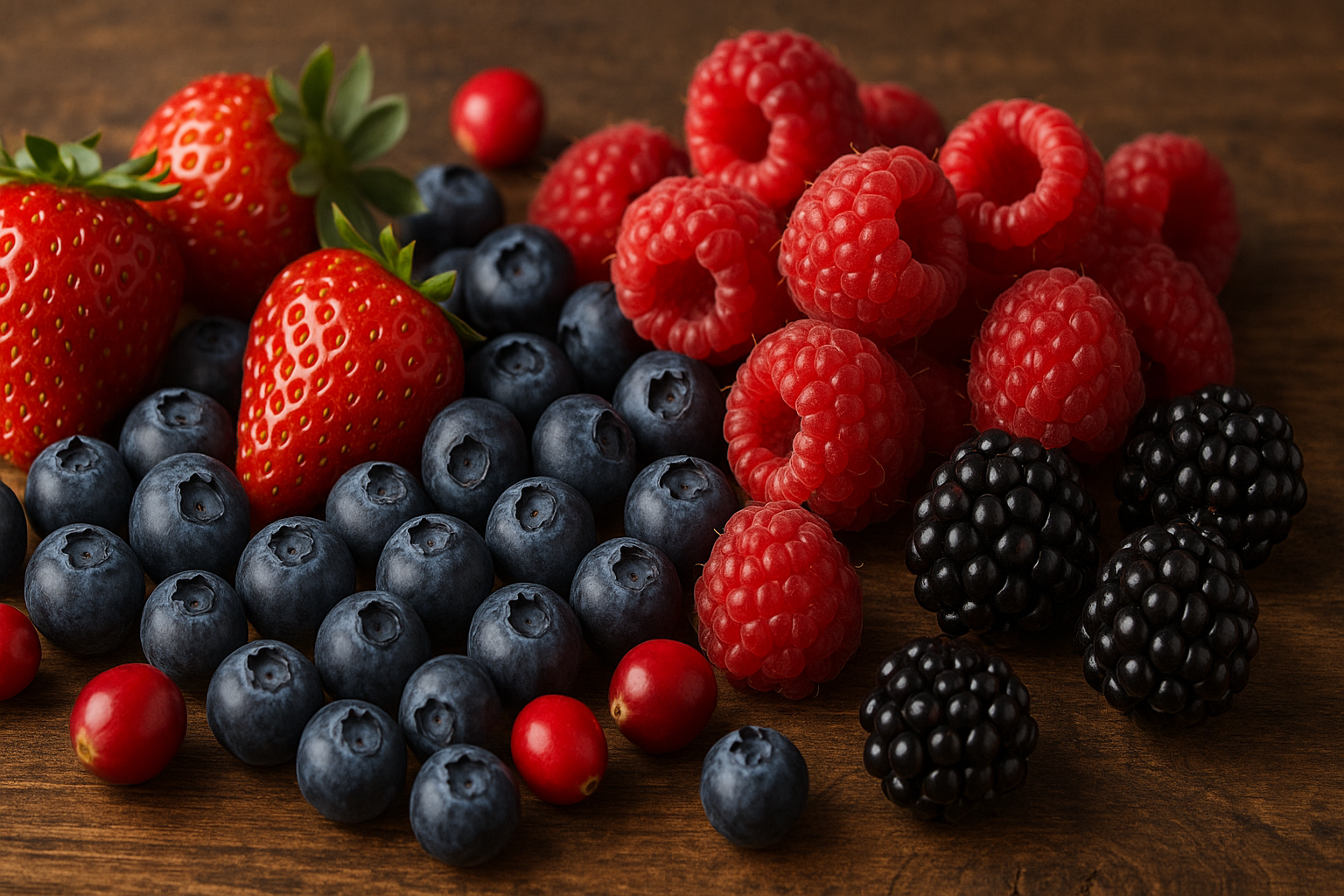
Berries have long been considered one of nature’s most delicious and powerful foods. With vibrant colors, sweet-tart flavors, and a rich profile of vitamins, minerals, and antioxidants, they are a staple in many healthy diets. But beyond their appeal to our taste buds, berries offer profound health benefits that can support immunity, fight inflammation, and even protect against chronic diseases.
In this article, we’ll explore the antioxidant power of berries, their specific health benefits, and practical ways to incorporate them into your diet.
What Makes Berries a Superfood?
Berries are considered a superfood due to their incredibly high levels of antioxidants, vitamins, and fiber, while being low in calories. They contain compounds such as anthocyanins, ellagic acid, and resveratrol, which have been shown to reduce oxidative stress and inflammation.
Common types of berries include:
- Blueberries
- Strawberries
- Raspberries
- Blackberries
- Cranberries
- Açaí berries
- Goji berries
Each has its own unique nutritional profile, but all offer powerful health-supporting compounds.
Antioxidants: The Secret Weapon in Berries
Antioxidants are compounds that protect the body from free radicals—unstable molecules that can damage cells and contribute to aging and diseases like cancer and heart disease. Berries are among the most antioxidant-rich foods available.
For example, blueberries are known for their high content of flavonoids, especially anthocyanins, which give them their deep blue hue and contribute to brain and heart health.
Cranberries contain proanthocyanidins, which help prevent urinary tract infections (UTIs), while strawberries are loaded with vitamin C, essential for immune function and skin health.
Major Health Benefits of Berries
1. Anti-Inflammatory Properties
Chronic inflammation is linked to diseases such as diabetes, arthritis, and cardiovascular issues. The polyphenols in berries have been shown to reduce markers of inflammation in the body.
2. Heart Health Support
Berries can help lower blood pressure, improve cholesterol levels, and protect against artery damage. A study published in the American Journal of Clinical Nutrition found that people who consumed blueberries regularly had a 12% reduced risk of heart disease.
3. Improved Brain Function
Anthocyanins in berries are linked to improved memory and cognitive function, especially in older adults. Regular consumption may delay brain aging and reduce the risk of Alzheimer’s.
4. Cancer Prevention
Some studies suggest that the antioxidants in berries may reduce the growth of cancer cells, particularly in cancers of the breast, colon, and esophagus.
5. Digestive Health
Thanks to their high fiber content, berries aid digestion and help maintain a healthy gut microbiome. Raspberries and blackberries, in particular, are rich in soluble fiber.
6. Blood Sugar Control
Despite their sweetness, berries have a low glycemic index, meaning they don’t cause major spikes in blood sugar levels. This makes them a smart choice for people with diabetes or those looking to manage their blood sugar.
7. Skin and Hair Health
The vitamins and antioxidants in berries promote collagen production, protect the skin from UV damage, and support healthy hair growth.
Are Frozen Berries Just as Healthy?
Yes! Frozen berries retain most of their nutrients and antioxidants. They’re often picked at peak ripeness and frozen quickly, which preserves their health benefits. Just make sure to choose varieties without added sugars or syrups.
How to Include More Berries in Your Diet
Adding berries to your meals is both easy and enjoyable. Here are some ideas:
- Add fresh or frozen berries to smoothies and oatmeal
- Sprinkle them over yogurt or cottage cheese
- Mix into pancake or muffin batter
- Toss them into salads for a burst of sweetness
- Make berry chia jam with no added sugar
- Use as a topping for whole-grain cereal or granola
- Blend into salad dressings or sauces for meats
Berries and Nutraceuticals: A Powerful Combo
The health world often separates whole foods and supplements, but berries are a natural bridge between both. Some nutraceutical products use concentrated berry extracts to provide antioxidant benefits in capsule or powder form.
However, whole berries still offer the full spectrum of phytonutrients, enzymes, and fiber, making them the best choice when available.
Are There Any Risks?
For most people, berries are completely safe and beneficial. However:
- Some individuals may be allergic to strawberries or other berries
- Those taking blood thinners should consult their doctor before increasing intake of vitamin K-rich berries like blueberries
- Commercial berries may contain pesticide residues—washing thoroughly or choosing organic is advised
Berries for All Ages
Berries are a nutrient-rich choice for children, adults, and seniors. They’re easy to chew, fun to eat, and naturally sweet, making them an excellent substitute for processed snacks and sugary desserts.
Final Thoughts: A Berry a Day Keeps the Doctor Away
From fighting inflammation to boosting brain power, the humble berry is a superfood powerhouse. Whether you choose blueberries, raspberries, or go exotic with goji and açaí, incorporating more berries into your daily diet is one of the simplest and tastiest ways to invest in your long-term health.
Whether fresh, frozen, or dried (in moderation), berries deserve a regular place in your kitchen and your plate.