
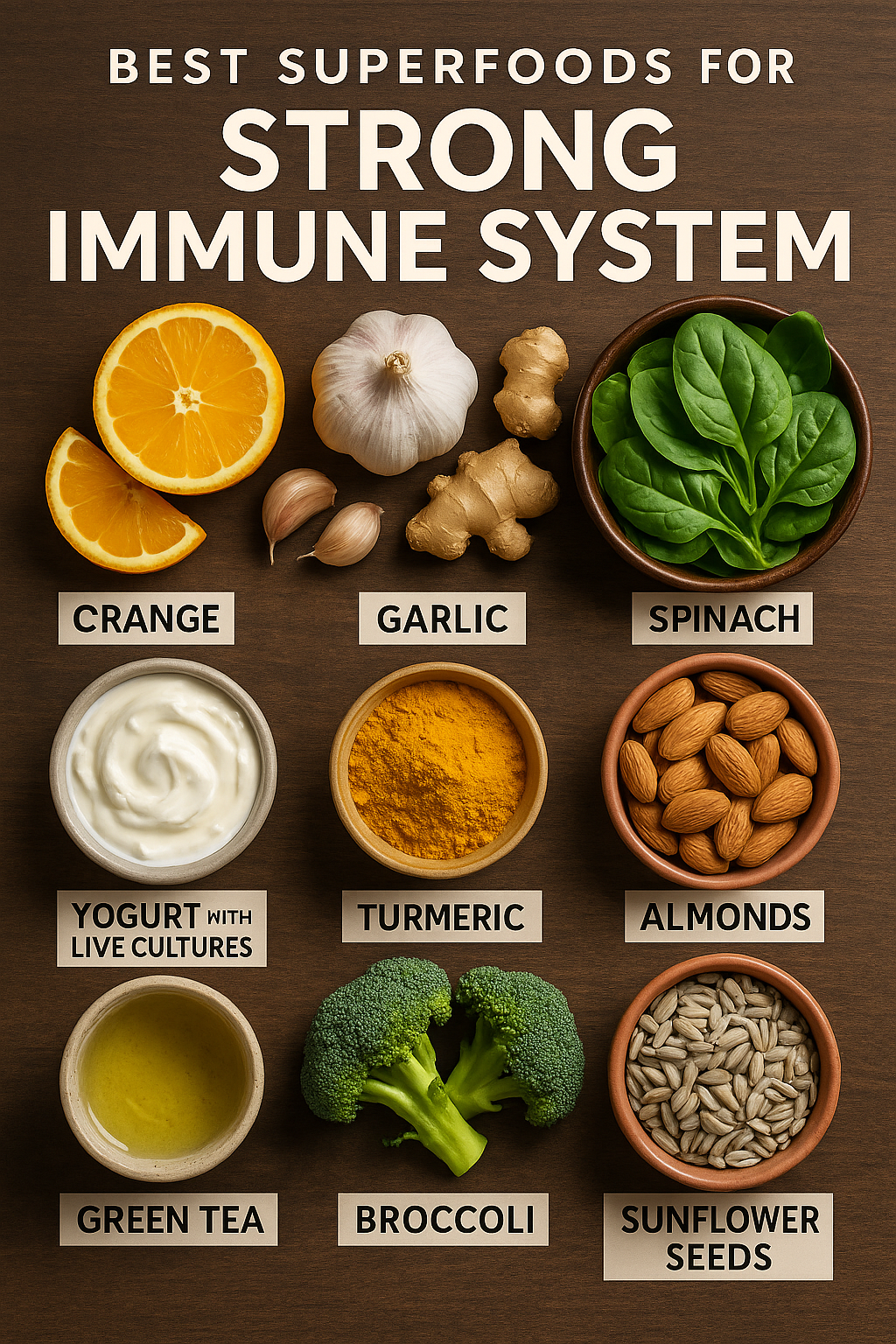
When we talk about superfoods, we often hear the same names: blueberries, kale, salmon, quinoa. But there’s a long list of nutrient-dense, affordable, and accessible superfoods that are just as powerful—yet frequently overlooked.
In this article, we’ll highlight some of the most underrated superfoods you should consider adding to your diet and explain why these humble ingredients deserve more attention for their health benefits.
Why Some Superfoods Go Underrated
Despite offering incredible nutritional value, many foods remain underrated because:
- They’re common or inexpensive (so they don’t seem “exotic” or “special”)
- Marketing focuses on trendy imports instead
- Their benefits are less known by the general public
Let’s take a closer look at some of these unsung heroes.
1. Cabbage
Often overshadowed by kale, cabbage is one of the most nutritious cruciferous vegetables available.
Why it’s powerful:
- High in vitamin C and vitamin K
- Contains glucosinolates, which support detox and cancer prevention
- Rich in fiber, aiding digestion and gut health
How to eat: Raw in slaws, fermented as sauerkraut, or lightly sautéed with garlic and olive oil.
2. Beets
These vibrant root vegetables are packed with antioxidants and naturally support endurance and detox.
Key benefits:
- High in nitrates, which improve blood flow and stamina
- Contain betalains, powerful anti-inflammatory compounds
- Support liver detox and heart health
How to eat: Roast them, grate raw into salads, or blend into smoothies.
3. Pumpkin Seeds (Pepitas)
Tiny but mighty, pumpkin seeds are a nutrition powerhouse.
Why they matter:
- Loaded with magnesium, crucial for muscle and nerve function
- High in zinc and healthy fats
- Excellent plant-based source of protein and iron
How to eat: Toasted as a snack, sprinkled on oatmeal or yogurt, or blended into sauces.
4. Seaweed
Often ignored in Western diets, seaweed is a nutrient-dense marine vegetable that’s full of health benefits.
Nutritional highlights:
- Rich in iodine, essential for thyroid health
- Contains prebiotic fibers that nourish gut bacteria
- High in antioxidants and unique anti-inflammatory compounds
How to eat: As dried seaweed snacks, in sushi rolls, or rehydrated in soups.
5. Lentils
Lentils may be humble, but they’re one of the best plant-based protein and fiber sources you can eat.
Why they’re underrated:
- Contain complex carbs and help stabilize blood sugar
- Rich in iron, folate, and polyphenols
- Incredibly affordable and sustainable
How to eat: In soups, stews, or cold salads with olive oil and herbs.
6. Parsley
More than a garnish, parsley is a detoxifying herb rich in vitamins and antioxidants.
Benefits:
- High in vitamin C, A, and K
- Contains apigenin, which supports cellular repair
- Acts as a natural diuretic, supporting kidney and liver function
How to eat: Chop fresh into salads, grain bowls, or blend into pesto and green sauces.
7. Blackstrap Molasses
A byproduct of sugar production, but unlike white sugar, it’s actually full of nutrients.
Surprising benefits:
- Excellent source of iron and calcium
- Contains magnesium, potassium, and selenium
- Helps fight fatigue and supports bone health
How to eat: Use a spoonful in oatmeal, smoothies, or warm water with lemon.
8. Watercress
Watercress is a peppery green with more nutrients per gram than almost any leafy green.
Why it’s valuable:
- Extremely high in vitamin K
- Contains glucosinolates, supporting detox and cancer defense
- Promotes circulation and skin health
How to eat: Add to salads, sandwiches, or toss into stir-fries right before serving.
9. Sardines
Often overlooked for more popular fish, sardines are one of the healthiest foods you can eat.
Why they’re amazing:
- Rich in omega-3 fatty acids (EPA and DHA)
- High in calcium (when eaten with bones)
- Packed with vitamin D and B12
How to eat: Canned on toast, in salads, or mashed into pâtés and dips.
10. Turnips
A root vegetable that’s often left behind in favor of carrots or potatoes.
Health perks:
- High in vitamin C, potassium, and fiber
- Supports digestion and blood pressure regulation
- The greens are rich in calcium and antioxidants
How to eat: Roast the roots and sauté the greens.
How to Start Incorporating These Superfoods
- One per week: Try adding one underrated superfood to your meals each week
- Explore new recipes: Look up creative ways to cook or prepare each one
- Shop seasonally: Many of these foods are affordable and even more nutritious when fresh and in season
- Mix and match: Add lentils to a cabbage stir-fry or beets to a watercress salad
Final Thoughts: Hidden Gems for Better Health
You don’t need to chase expensive powders or imported berries to eat well. Sometimes, the most powerful superfoods are already in your kitchen—or right next to the trendy stuff at the grocery store.
By giving these underrated yet highly nutritious foods the spotlight they deserve, you’ll nourish your body, expand your palate, and save money in the process. Don’t overlook them—embrace them!