
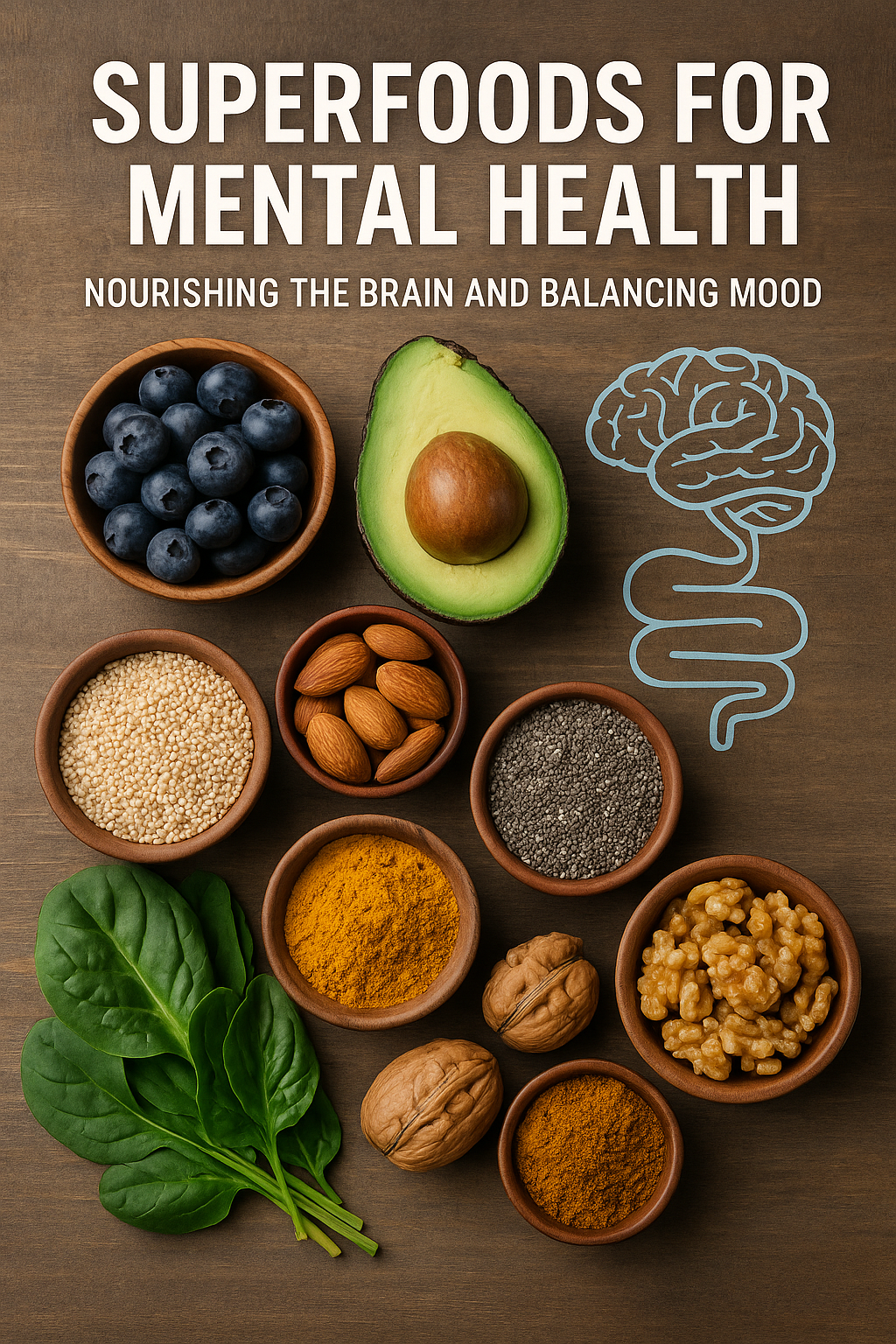
Mental health is influenced by far more than thoughts and emotions—it’s deeply connected to the gut, hormones, inflammation, and nutrient intake. As research continues to uncover the food-mind connection, a growing body of evidence points to the role of superfoods in supporting brain function, reducing anxiety and depression, and promoting emotional balance.
In this article, we’ll explore the best superfoods for mental health, the science behind how they work, and how to build brain-friendly meals into your daily routine.
The Gut-Brain Axis: Why Food Affects Mood
Your gut and brain communicate constantly via the vagus nerve, neurotransmitters, and the gut microbiome. This system, called the gut-brain axis, means that what you eat affects your:
- Mood and anxiety levels
- Sleep quality
- Focus and memory
- Stress response
An imbalanced gut microbiome or nutrient-poor diet can impair neurotransmitter production (like serotonin and dopamine), leading to mood swings, fatigue, and brain fog.
Top Superfoods for Mental Health
1. Fatty Fish (Salmon, Sardines, Mackerel)
- Rich in: Omega-3 fatty acids (EPA and DHA)
- Benefits: Reduces inflammation, boosts mood, supports cognition
- Research: Low omega-3 levels are linked to increased risk of depression and cognitive decline.
2. Dark Leafy Greens (Spinach, Kale, Swiss Chard)
- Rich in: Folate, magnesium, vitamin K
- Benefits: Support neurotransmitter production and protect brain cells
- Magnesium deficiency is often associated with increased anxiety
3. Berries (Blueberries, Strawberries, Blackberries)
- Rich in: Antioxidants like anthocyanins
- Benefits: Reduce oxidative stress and inflammation in the brain
- May improve memory and slow cognitive aging
4. Fermented Foods (Yogurt, Kefir, Kimchi, Sauerkraut)
- Rich in: Probiotics
- Benefits: Support gut health and neurotransmitter production
- Research: A healthy microbiome contributes to better mood and lower anxiety
5. Pumpkin Seeds
- Rich in: Magnesium, zinc, iron, and tryptophan
- Benefits: Support serotonin synthesis and nerve function
- Excellent snack for calming the nervous system
6. Avocados
- Rich in: Monounsaturated fats, B vitamins
- Benefits: Support healthy blood flow to the brain and energy production
- Also high in glutathione, a powerful antioxidant for brain detox
7. Turmeric
- Active compound: Curcumin
- Benefits: Anti-inflammatory and may boost BDNF (brain-derived neurotrophic factor), improving mood and memory
- May be as effective as some antidepressants in mild cases, per early studies
8. Dark Chocolate (70% or higher)
- Rich in: Flavanols and magnesium
- Benefits: Boosts serotonin levels and increases blood flow to the brain
- Improves mood and cognitive flexibility
9. Nuts (especially Walnuts and Almonds)
- Rich in: Omega-3s, vitamin E, antioxidants
- Benefits: Protect neurons, reduce inflammation, improve alertness
- Walnuts have been linked to better emotional well-being
10. Green Tea
- Contains: L-theanine and moderate caffeine
- Benefits: Promotes calm focus and reduces stress
- L-theanine boosts alpha brain waves, associated with relaxation
How Nutrients Support Brain Chemistry
| Nutrient | Key Role |
|---|---|
| Omega-3s | Improve brain structure, neurotransmitter function |
| Magnesium | Regulates stress response and nerve signaling |
| Zinc | Supports mood, cognition, and stress resilience |
| Iron | Delivers oxygen to the brain; deficiency linked to fatigue |
| Folate | Essential for dopamine and serotonin production |
| Probiotics | Improve gut-brain signaling and emotional balance |
Sample Mental Health-Boosting Meal Plan
Breakfast:
Greek yogurt with blueberries, pumpkin seeds, and walnuts
Lunch:
Grain bowl with quinoa, leafy greens, roasted salmon, avocado, and turmeric dressing
Snack:
Square of dark chocolate + green tea with lemon
Dinner:
Lentil and kale soup with a side of kimchi or sauerkraut
Evening:
Chamomile tea or kefir (for probiotics)
Lifestyle Tips That Complement Nutrition
- Exercise regularly to boost endorphins and reduce inflammation
- Get sunlight exposure daily to support vitamin D and mood
- Prioritize sleep to help the brain detox and reset
- Practice mindfulness or breathwork to calm the nervous system
- Limit processed sugar and alcohol, which can disrupt mood-regulating hormones
Final Thoughts: Feed Your Mind as Well as Your Body
Mental health isn’t just in your head—it’s in your gut, your cells, and your plate. The foods you eat provide the raw materials for your brain’s neurotransmitters, structure, and resilience.
By prioritizing brain-nourishing superfoods, you can give yourself a natural edge in managing stress, sharpening focus, and lifting your mood—one mindful bite at a time.