
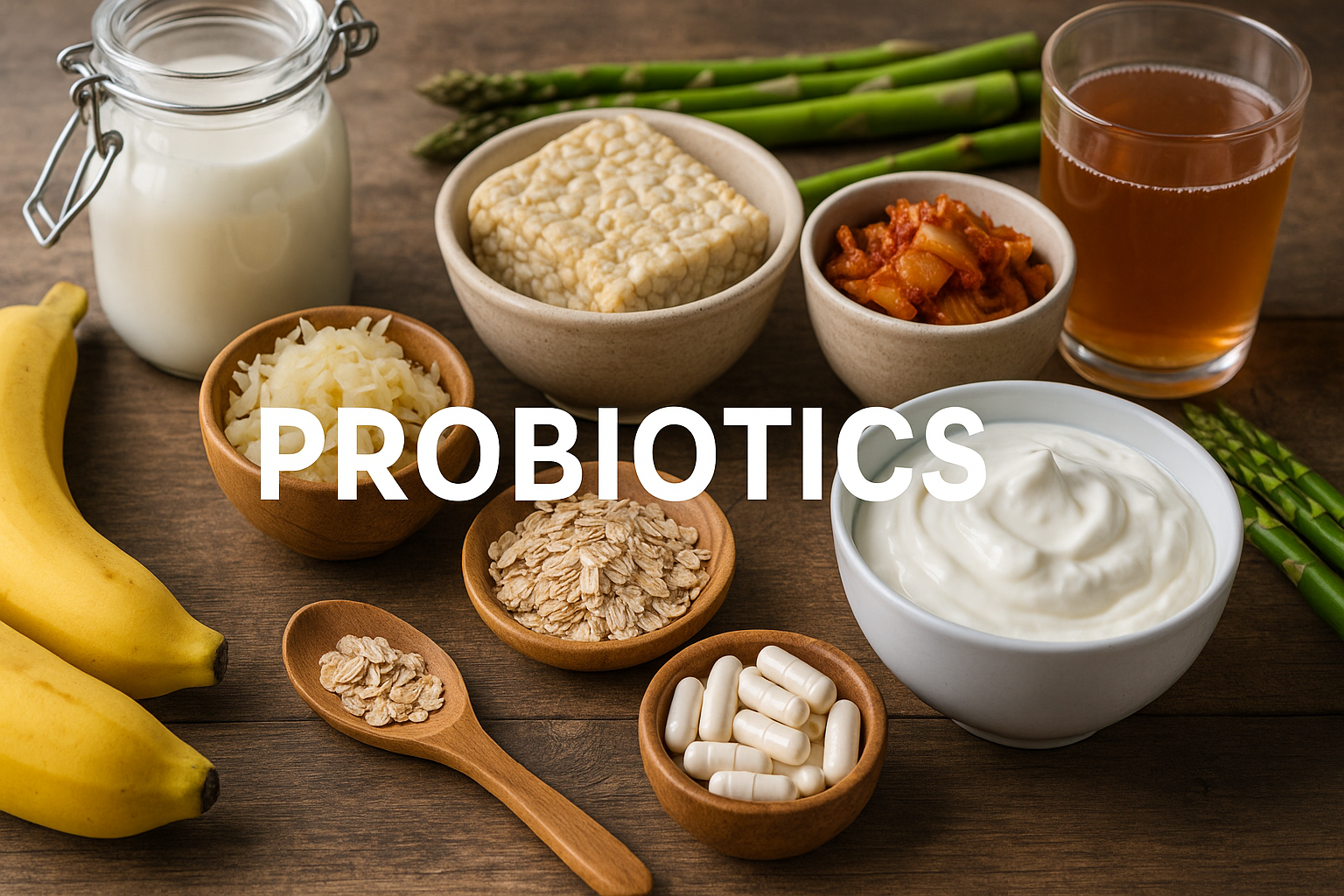
Gut health is one of the most talked-about topics in modern wellness—and for good reason. Your digestive system is home to trillions of bacteria that affect not only digestion but also immunity, mental health, skin, and energy levels. That’s where prebiotics and probiotics come in, often categorized as nutraceuticals because of their powerful, food-based benefits.
In this article, you’ll learn the difference between prebiotics and probiotics, their unique roles in gut health, how to include them in your diet, and what science says about their effectiveness as daily nutraceutical tools.
Understanding the Gut Microbiome
Your gut microbiome refers to the ecosystem of microorganisms (mostly bacteria) living in your intestines. A balanced microbiome:
- Improves nutrient absorption
- Supports immune response
- Helps regulate inflammation
- Produces mood-regulating neurotransmitters like serotonin
When the microbiome becomes unbalanced (dysbiosis), it can lead to:
- Bloating, constipation, or IBS
- Weakened immunity
- Mood disorders
- Skin flare-ups
- Chronic inflammation
This is where prebiotics and probiotics can restore harmony.
What Are Probiotics?
Probiotics are live, beneficial bacteria that support gut health when consumed in adequate amounts.
Common probiotic strains:
- Lactobacillus – aids digestion and helps with lactose intolerance
- Bifidobacterium – reduces bloating and inflammation
- Saccharomyces boulardii – beneficial yeast that fights harmful bacteria
Food Sources of Probiotics
These fermented foods naturally contain live cultures:
| Food | Benefit |
|---|---|
| Yogurt (with live cultures) | Improves digestion and boosts immune defense |
| Kefir | More diverse probiotics than yogurt |
| Sauerkraut | Fermented cabbage, rich in lactic acid bacteria |
| Kimchi | Spicy Korean fermented veggies for gut health |
| Miso | Fermented soy paste for soups and dressings |
| Tempeh | Fermented soy full of probiotics and protein |
| Kombucha | Fermented tea rich in probiotics and acids |
Health Benefits of Probiotics
- Alleviate constipation and bloating
- Reduce symptoms of IBS and ulcerative colitis
- Support skin conditions like eczema and acne
- Boost immune system response
- Improve mental health through the gut-brain axis
What Are Prebiotics?
Prebiotics are non-digestible fibers and compounds that feed the good bacteria in your gut.
Think of them as fertilizer for your microbiome—without prebiotics, probiotics can’t thrive.
Food Sources of Prebiotics
| Food | Compound | Benefit |
|---|---|---|
| Garlic | Inulin | Supports gut flora and immunity |
| Onion | Fructooligosaccharides | Aids digestion and satiety |
| Leeks | Inulin | Supports heart and gut health |
| Asparagus | Inulin | Promotes bacterial diversity |
| Bananas (especially unripe) | Resistant starch | Feeds beneficial bacteria |
| Oats | Beta-glucan | Reduces cholesterol and supports gut lining |
| Apples | Pectin | Aids digestion and gut balance |
Health Benefits of Prebiotics
- Improve calcium absorption and bone health
- Reduce risk of colorectal cancer
- Enhance satiety and aid in weight management
- Lower inflammation markers
- Improve glucose metabolism and insulin sensitivity
Prebiotics vs. Probiotics: Key Differences
| Feature | Prebiotics | Probiotics |
|---|---|---|
| Definition | Food for bacteria | Live beneficial bacteria |
| Found in | Fibrous plant foods | Fermented foods & supplements |
| Stability | Stable to heat & digestion | Sensitive to heat, stomach acid |
| Function | Nourishes microbiota | Replenishes microbiota |
| Goal | Enhance existing bacteria | Introduce new strains |
Together, they work synergistically to support gut and immune health.
Synbiotics: The Best of Both Worlds
Synbiotics are supplements or foods that combine prebiotics + probiotics. This combo improves survivability of probiotic strains in the gut and enhances their function.
Examples:
- Supplements with inulin + lactobacillus
- Yogurt with added chicory root fiber
- Fermented veggie mixes with garlic or onion
Are Supplements Necessary?
While food-first is always best, high-quality supplements can help if you:
- Are taking or recently took antibiotics
- Have IBS, IBD, or chronic bloating
- Are under chronic stress (which damages gut flora)
- Eat a limited diet low in fiber or fermented foods
Look for:
- Colony-forming units (CFU) between 5–20 billion
- Multiple strains
- Time-release capsules or refrigerated products
- Trusted brands with third-party testing
Sample Day: Prebiotics and Probiotics in Real Meals
Breakfast: Overnight oats with banana, chia seeds, and kefir
Lunch: Lentil soup with garlic and onion, side of sauerkraut
Snack: Apple slices with almond butter
Dinner: Tempeh stir-fry with asparagus and brown rice
Evening: Cup of kombucha or miso broth
Final Thoughts: A Gut-Friendly Lifestyle
Prebiotics and probiotics are a cornerstone of nutraceutical wellness. By nourishing and replenishing your microbiome daily, you’re supporting more than digestion—you’re strengthening immunity, mental clarity, and long-term health.
Start with small steps: add yogurt or kimchi here, throw garlic and oats into your meals there. With consistency, your gut flora will thrive—and your whole body will thank you.