
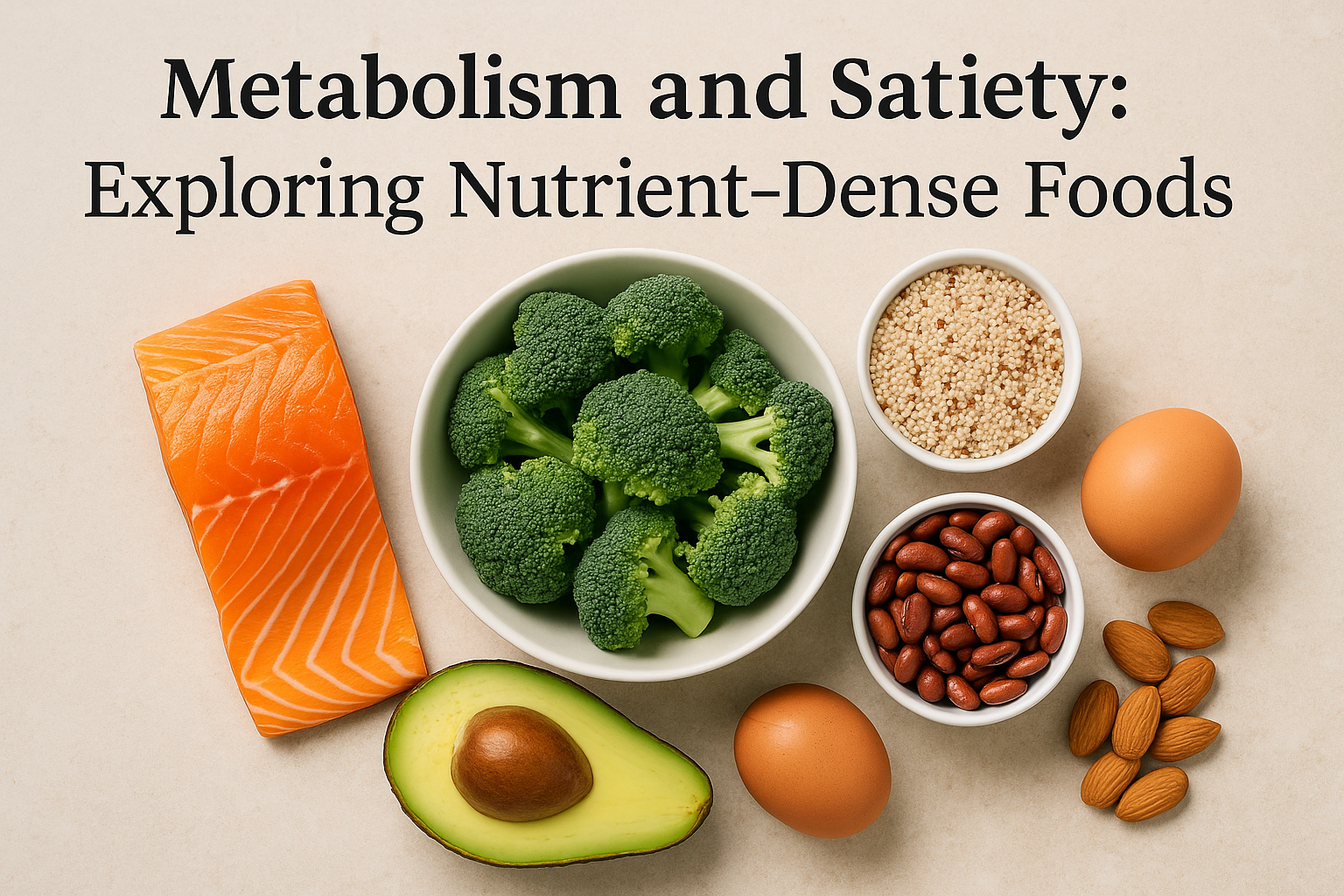
In today’s fast-paced world, maintaining a healthy metabolism and managing satiety are two pillars of sustained wellness and weight balance. But rather than relying on extreme diets or metabolic gimmicks, the answer often lies in consuming nutrient-dense foods—whole, minimally processed ingredients packed with essential vitamins, minerals, and compounds that naturally fuel the body. This article explores how nutrient-dense foods influence metabolism and satiety, based on both ancestral dietary principles and modern nutritional science.
Understanding Metabolism and Satiety
What Is Metabolism?
Metabolism refers to the complex set of chemical reactions in the body that convert food into energy. This includes:
- Basal metabolic rate (BMR) – energy used at rest
- Thermic effect of food (TEF) – energy used to digest food
- Physical activity – voluntary movement
- Non-exercise activity thermogenesis (NEAT) – all other movements
Optimizing metabolism helps support energy levels, body composition, and cellular repair.
What Is Satiety?
Satiety is the feeling of fullness and satisfaction after eating, which helps regulate appetite and caloric intake. Satiety is influenced by:
- Macronutrient composition
- Meal volume and fiber
- Hormonal responses (like ghrelin and leptin)
- Food texture and chewing time
Foods that promote satiety can reduce overeating, improve insulin sensitivity, and support sustainable weight control.
The Role of Nutrient-Dense Foods
Nutrient-dense foods provide maximum nutrition for minimal calories. These foods are typically high in:
- Fiber
- Healthy fats
- Lean protein
- Phytonutrients and antioxidants
- Essential vitamins and minerals
Unlike ultra-processed foods, they fuel the body efficiently and support biochemical processes linked to metabolism and hunger regulation.
Top Nutrient-Dense Foods for Metabolic Health
1. Leafy Greens (Spinach, Kale, Swiss Chard)
Rich in iron, magnesium, folate, and chlorophyll, leafy greens support mitochondrial function, which is crucial for cellular energy production.
They’re also low in calories and high in fiber, making them ideal for volume eating—filling your plate without overeating.
2. Eggs
Eggs are a complete protein, containing all nine essential amino acids. They help stimulate the release of glucagon-like peptide-1 (GLP-1) and peptide YY (PYY), hormones that promote satiety.
The choline in eggs also supports fat metabolism and liver function.
3. Salmon and Fatty Fish
Rich in omega-3 fatty acids, salmon, sardines, and mackerel reduce inflammation, improve insulin sensitivity, and boost leptin signaling, which plays a role in long-term satiety.
These healthy fats also increase thermogenesis, raising the number of calories burned at rest.
4. Legumes (Lentils, Chickpeas, Black Beans)
Packed with fiber and resistant starch, legumes slow down digestion and stabilize blood sugar, promoting sustained fullness.
They’re also high in plant-based protein, which has a strong thermic effect and contributes to muscle repair.
5. Greek Yogurt
This protein-dense fermented food enhances both satiety and gut health. Full-fat Greek yogurt contains conjugated linoleic acid (CLA), which may promote fat loss and muscle gain.
The probiotics it provides also support the gut-brain axis, which affects hunger hormones and cravings.
Thermic Effect of Food: A Natural Metabolic Boost
Certain foods require more energy to digest, absorb, and metabolize—a phenomenon known as the thermic effect of food (TEF).
Foods high in protein have the highest TEF (20–30%), compared to carbs (5–10%) and fats (0–3%).
Examples of high-TEF foods:
- Lean meats (chicken breast, turkey)
- Quinoa and amaranth
- Tofu and tempeh
- Whey and plant-based protein powders
Including a protein-rich component in every meal is one of the simplest ways to support a healthy metabolic rate.
The Fiber Factor: Volume, Satisfaction, and Gut Health
Fiber is crucial for both satiety and metabolism:
- Soluble fiber slows digestion and stabilizes glucose
- Insoluble fiber adds bulk and promotes regularity
- Both types nourish gut bacteria that influence energy extraction and hunger hormones
Top fiber-rich foods:
- Avocados
- Oats
- Chia seeds
- Broccoli
- Apples with the skin
Consistent fiber intake helps regulate ghrelin (hunger hormone) and improve long-term satiety without excess calories.
Satiety-Enhancing Eating Habits
Beyond the nutrients themselves, how we eat also affects our sense of fullness and metabolism.
1. Slow Eating and Chewing Thoroughly
Taking time to chew allows satiety hormones to activate before overeating occurs. It also improves digestion and nutrient absorption.
2. Balanced Macronutrients in Every Meal
Meals that combine protein, fat, and fiber-rich carbs are more satiating and keep blood sugar levels steady.
Example: A salad with salmon, avocado, olive oil, and quinoa is far more satisfying than a plain bowl of pasta.
3. Hydration Before and During Meals
Sometimes, thirst is mistaken for hunger. Drinking a glass of water before meals can enhance fullness and prevent overeating.
4. Eat Whole Foods, Not Just Nutrients
Whole foods come with a synergy of compounds—fiber, water, enzymes, and antioxidants—that isolated nutrients or processed versions don’t offer.
Whole oranges, for instance, offer much better satiety than orange juice due to fiber and chewing effort.
Foods to Avoid: What Hinders Satiety and Metabolism
Some foods undermine metabolic health and interfere with natural hunger signals:
- Refined sugars: cause energy crashes and rebound hunger
- Trans fats: impair insulin sensitivity and promote fat storage
- Highly processed snacks: engineered to override fullness signals
- Liquid calories: like soda or sweetened lattes—easy to overconsume without satisfaction
Even “health” products like granola bars and smoothies can sabotage your goals if packed with added sugars and lacking fiber or protein.
Lifestyle Factors That Support Satiety and Metabolic Efficiency
While food is foundational, other habits amplify your results:
- Sleep: Poor sleep increases ghrelin and reduces leptin, increasing hunger
- Strength training: Builds muscle, which burns more calories at rest
- Stress management: Cortisol disrupts metabolism and promotes cravings
- Regular movement: NEAT activities like walking and cleaning burn calories and regulate blood sugar
Final Words: Eat to Nourish, Not Just to Fill
Metabolism and satiety are not just buzzwords—they are essential biological systems designed to work in your favor. By focusing on nutrient-dense, whole foods, you naturally support your body’s ability to self-regulate hunger, build energy, and maintain balance.
Instead of counting every calorie, learn to count on real food. The better the quality, the more your body thrives—and the less effort it takes to stay full, focused, and fit.