
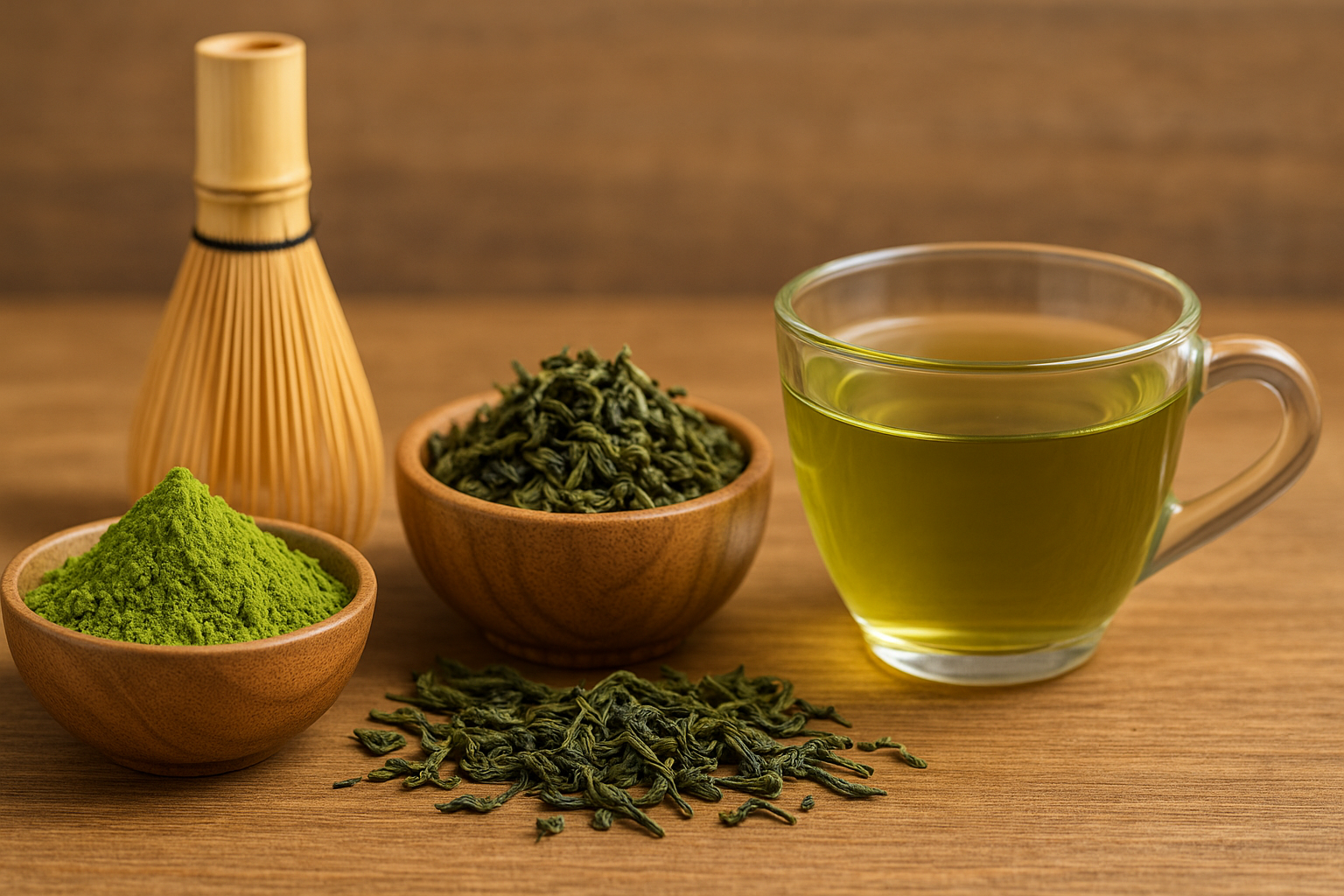
Green tea and matcha are both derived from the Camellia sinensis plant, yet their preparation, appearance, taste, and health benefits set them apart in remarkable ways. Their unique cultural roots and biochemical compositions have fascinated researchers, wellness advocates, and tea enthusiasts alike. In this article, we dive deep into the history and science of these two green elixirs.
Cultural Origins: From Ancient Ceremonies to Global Popularity
The Story of Green Tea
Green tea’s origins trace back to ancient China, around 2737 BCE, when Emperor Shen Nong is said to have discovered tea by accident. The leaves of the Camellia sinensis plant became a staple in Chinese medicine and philosophy, eventually spreading to Japan and other parts of Asia.
The Japanese later adapted their own style of cultivation and processing, giving birth to various types of green tea like sencha, gyokuro, and bancha. Green tea became intertwined with Zen Buddhism, as monks consumed it to maintain alertness during long meditation sessions.
Matcha and the Japanese Tea Ceremony
Matcha, a powdered form of specially grown green tea, originated in China but was perfected in Japan during the 12th century. Introduced by Zen monk Eisai, matcha quickly gained importance in Japanese culture. It became the center of the chanoyu (tea ceremony), which emphasized mindfulness, respect, and aesthetic harmony.
Unlike green tea, matcha involves consuming the whole powdered leaf, making it a more concentrated and nutrient-rich experience.
Processing Methods: Steamed, Ground, and Whisked
Green Tea Processing
Green tea leaves are harvested and quickly heated to prevent oxidation. Depending on the region, they may be steamed (common in Japan) or pan-fired (more common in China). The result is a dry, loose-leaf tea that retains its green color and fresh, grassy flavor.
Matcha Processing
Matcha undergoes a more rigorous process. The plants are shade-grown for about three weeks before harvest, which increases chlorophyll and amino acid content, especially L-theanine. The leaves (called tencha) are then steamed, dried, and stone-ground into a fine powder.
This careful cultivation enhances both flavor and nutritional density, giving matcha its vivid green color and creamy, umami-rich taste.
Biochemical Composition: What’s Inside the Leaves?
Antioxidants and Catechins
Both matcha and green tea are rich in catechins, particularly epigallocatechin gallate (EGCG), which is known for its powerful antioxidant properties. However, matcha has a significantly higher concentration due to the whole leaf being consumed.
A 2003 study published in the Journal of Chromatography A found that matcha contains up to 137 times more EGCG than regular green tea.
L-Theanine and Caffeine: Calm Alertness
L-theanine, an amino acid abundant in matcha, promotes a state of relaxed alertness by enhancing alpha brain waves and balancing caffeine’s stimulating effects. This results in improved focus without the jitteriness often associated with coffee.
Green tea also contains L-theanine, but in smaller amounts compared to matcha. Both drinks provide caffeine, but matcha typically offers more—up to 70 mg per serving, compared to about 20–45 mg in green tea.
Chlorophyll and Nutrients
Due to its shade-growing process, matcha boasts high levels of chlorophyll, which supports detoxification and skin health. It also contains a broader spectrum of vitamins and minerals, including vitamin C, selenium, chromium, zinc, and magnesium.
Health Benefits: Tradition Meets Modern Research
Cognitive Performance and Mental Clarity
Multiple studies suggest that the combination of caffeine and L-theanine in matcha and green tea can improve working memory, attention span, and reaction time. A 2017 study in Nutrients confirmed that this synergy improves performance on cognitively demanding tasks.
Cardiovascular Support
Green tea has long been associated with heart health, including reduced LDL cholesterol levels and improved blood vessel function. The American Heart Association recognizes catechins as beneficial compounds that can lower the risk of cardiovascular disease.
Metabolism and Weight Management
EGCG in both teas may increase fat oxidation and improve metabolic rate. Some research even suggests matcha may enhance exercise performance by boosting endurance.
Detox and Immune Defense
While more research is needed, matcha’s high chlorophyll content and antioxidants may support the liver and improve immune response by neutralizing free radicals and promoting natural detox pathways.
Taste, Texture, and Experience
Green Tea: Light and Refreshing
Green tea offers a more delicate, grassy flavor with a clear, pale color. It’s ideal for casual daily drinking and is widely available in bagged or loose-leaf form.
Matcha: Rich and Creamy
Matcha is bold, earthy, and slightly sweet, with a full-bodied mouthfeel. It’s traditionally prepared by whisking the powder with hot water using a chasen (bamboo whisk). Matcha is also used in lattes, smoothies, desserts, and even savory dishes.
Culinary Versatility and Global Trends
Matcha’s rise in global popularity has extended its use beyond tea ceremonies. It’s now a favorite ingredient in Western-style lattes, ice cream, energy bars, and baking recipes. Green tea, while more subtle, is often used in infusions, broths, and even skincare formulations.
Health-conscious consumers around the world have embraced both drinks for their flavor and wellness benefits, fueling a booming market for high-quality tea products.
Which One Should You Choose?
Choosing between matcha and green tea comes down to personal preference and health goals:
- Choose matcha if you want a more concentrated antioxidant punch, a smooth energy boost, and a rich, ceremonial experience.
- Choose green tea if you prefer a lighter flavor, lower caffeine, and an easy, refreshing drink for any time of day.
Final Thoughts: Honor the Leaf
Whether you’re sipping a traditional matcha in Kyoto or enjoying green tea at your desk, both beverages offer a window into centuries of tradition and a wealth of health benefits. As science continues to validate what ancient cultures already knew, we are reminded that sometimes, the best medicine really does come in a cup.