
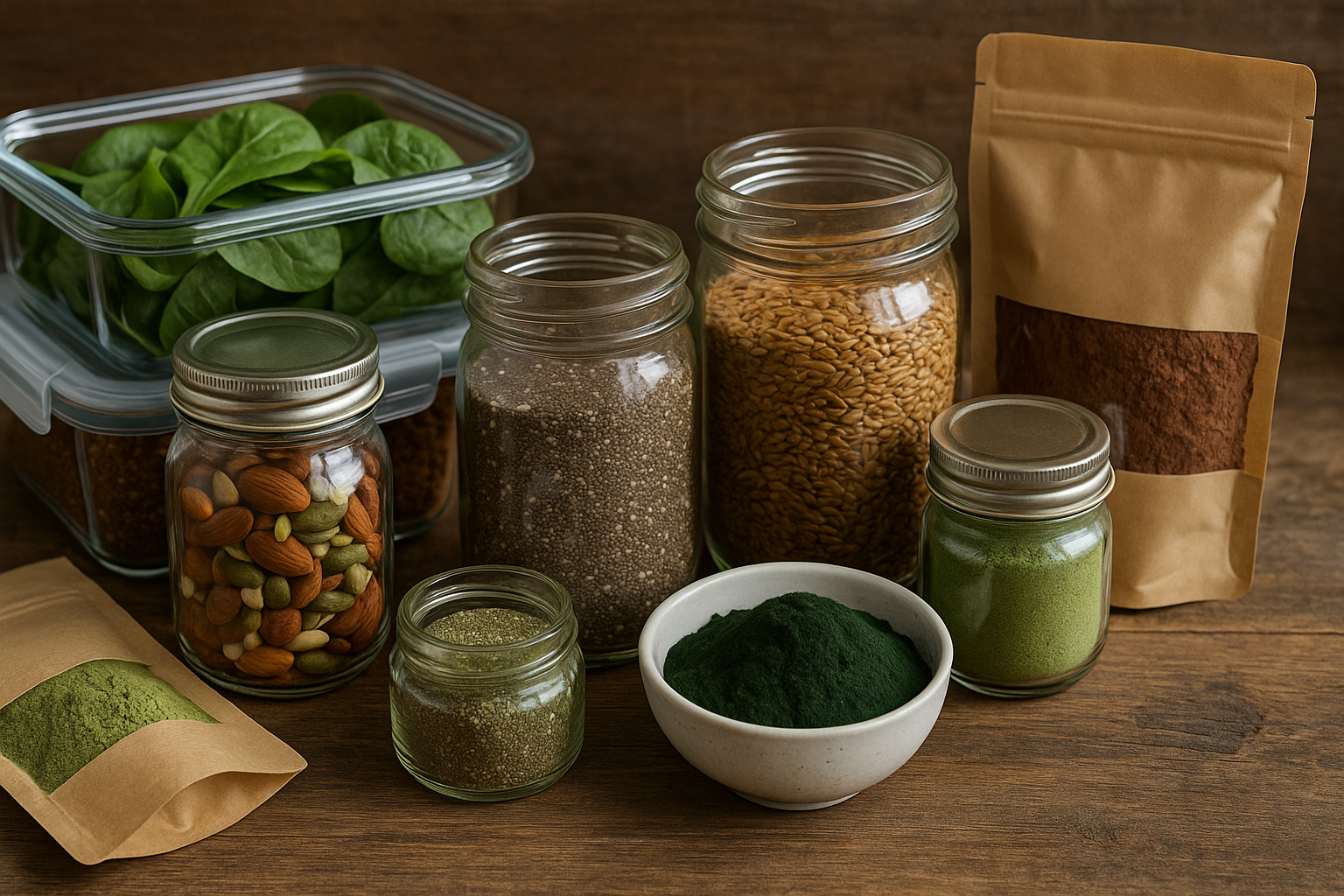
Superfoods are rich in nutrients like antioxidants, omega-3s, and vitamins—but if they’re not stored properly, those nutrients can degrade over time. Whether you’re investing in chia seeds, spirulina, matcha, or berries, knowing how to store your superfoods can help preserve their freshness, potency, and health benefits.
In this guide, you’ll learn how to properly store common superfoods, what affects their shelf life, and practical tips to prevent spoilage, waste, and nutrient loss.
Why Proper Storage Matters
Superfoods are delicate. They’re often:
- Unprocessed or minimally processed
- Rich in natural oils, which can go rancid
- High in antioxidants, which degrade when exposed to light, heat, or air
- Sold in powdered or raw forms that are sensitive to humidity and temperature
Improper storage not only shortens shelf life—it can significantly reduce the nutritional value you’re paying for.
General Superfood Storage Principles
Before we go into specific foods, here are universal best practices:
1. Keep Them Cool
- Avoid exposure to heat, which breaks down vitamins (especially vitamin C and B-complex).
- Use dark cabinets away from stoves or appliances that give off heat.
- Some superfoods are best stored in the fridge or freezer (especially oils, seeds, and berries).
2. Keep Them Dry
- Moisture leads to mold and bacteria.
- Always use dry spoons when scooping from a container.
- Store powders and seeds in airtight containers with moisture absorbers if needed.
3. Keep Them in the Dark
- Light breaks down antioxidants and chlorophyll.
- Use opaque or amber glass containers when possible.
- Avoid storing anything in direct sunlight or near windows.
4. Use Airtight Containers
- Oxygen can oxidize fats and degrade flavor and nutrients.
- Use zip-sealed bags, glass jars, or vacuum-sealed bags.
How to Store Specific Superfoods
Chia Seeds & Flaxseeds
- Best container: Glass jar with airtight lid
- Where to store: Pantry or refrigerator
- Shelf life: Up to 2 years (whole), 3–6 months (ground)
💡 Tip: Always refrigerate ground flaxseed—it spoils faster.
Spirulina & Chlorella Powder
- Best container: Dark glass or BPA-free plastic, tightly sealed
- Where to store: Pantry or fridge (optional)
- Shelf life: 1–2 years unopened; 6–12 months once opened
💡 Tip: Keep away from humidity and always use a clean spoon.
Matcha Powder
- Best container: Airtight metal or ceramic tin
- Where to store: Refrigerator or freezer (especially after opening)
- Shelf life: 1 year unopened; 1–2 months after opening
💡 Tip: Always reseal tightly—matcha degrades fast from air and light.
Goji Berries, Açaí Powder, and Dried Berries
- Best container: Zip-seal or vacuum bag
- Where to store: Cool, dry place or fridge
- Shelf life: 6 months to 1 year
💡 Tip: Use within a few weeks once opened for best flavor and nutrient retention.
Leafy Greens (for smoothies)
- Storage method: Wash, dry, and freeze in small portions
- Where to store: Freezer in zip-top bags
- Shelf life: 3–4 months
💡 Tip: Frozen spinach or kale retains most nutrients and reduces spoilage.
Avocados
- Whole, unripe: Store at room temp until soft
- Ripe: Move to the fridge to extend freshness
- Opened: Cover with lemon juice and plastic wrap in fridge
💡 Tip: Freeze ripe avocado chunks for smoothies.
Nuts & Seeds (Walnuts, Almonds, Hemp, Pumpkin)
- Where to store: Fridge or freezer
- Best container: Airtight glass jar or vacuum-sealed bag
- Shelf life: 6 months in fridge, 1 year in freezer
💡 Tip: Avoid bulk bins unless you’re using quickly—nuts oxidize easily.
Superfood Powders (Maca, Cacao, Ashwagandha, Protein Blends)
- Where to store: Pantry or fridge
- Best container: Original resealable pouch or transfer to dark glass jar
- Shelf life: 6–12 months
💡 Tip: Write the open date on each package.
Coconut Oil & MCT Oil
- Where to store: Pantry (solid) or fridge (liquid MCT)
- Shelf life: 1–2 years unopened; 6 months once opened
💡 Tip: Don’t scoop with wet utensils—oil and water don’t mix well.
Label Everything
To avoid confusion and waste:
- Use labels with dates for opened products
- Note down expiration dates and rotate items
- Keep older items in front to use them first
Avoid These Common Storage Mistakes
- Leaving bags unsealed or rolled shut
- Storing near the stove or oven
- Freezing plastic containers not meant for cold temps
- Using paper bags or cardboard boxes for moist or oily items
- Not checking for spoilage signs: mold, rancid smell, clumps, or color change
When to Throw Superfoods Out
If you notice any of the following, it’s time to discard:
- Sour, bitter, or rancid smell
- Discoloration or mold
- Texture changes (like sticky or clumpy powders)
- Unusual taste or aftertaste
Don’t risk your health for expired superfoods—they won’t do you any good once their potency is gone.
Final Thoughts: Store Smart, Stay Nourished
Investing in superfoods is a smart move for your health—but only if you store them right. Proper storage preserves their powerful nutrients, keeps them safe to consume, and helps you get the most out of every serving.
Think of your superfoods like health supplements—they deserve care, protection, and intentional storage. A few minutes of prep can translate into months of extra shelf life and maximum nutrition.