
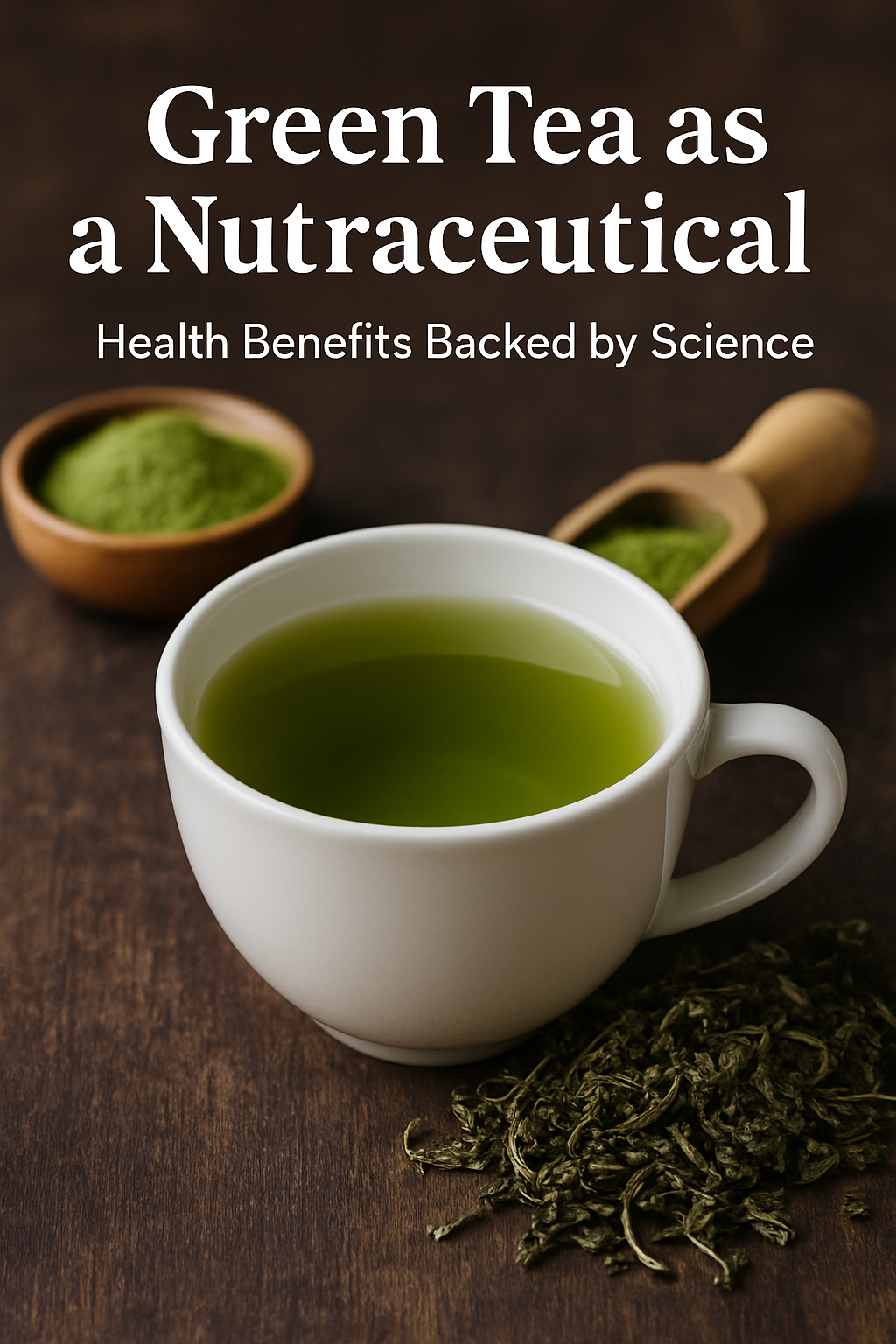
Green tea is one of the most consumed beverages in the world, and for good reason. Revered for centuries in Asian cultures, green tea is more than just a soothing drink — it’s a scientifically supported nutraceutical that offers a wide range of health benefits.
From improved brain function to fat burning and disease prevention, green tea’s unique blend of bioactive compounds makes it a nutritional powerhouse. In this article, we’ll dive into what makes green tea a true nutraceutical and explore the science-backed ways it can improve your health.
What Is a Nutraceutical?
Before exploring green tea specifically, it helps to understand what a nutraceutical is. The term refers to foods or food-based products that provide medical or health benefits, including the prevention and treatment of disease. Nutraceuticals can include:
- Whole foods (like green tea)
- Dietary supplements
- Herbal products
- Functional foods fortified with vitamins or minerals
Green tea fits squarely into this category due to its high content of polyphenols, catechins, and antioxidants that directly influence biological functions in the body.
Green Tea’s Nutritional Composition
Green tea is made from unoxidized leaves of the Camellia sinensis plant and is less processed than black or oolong tea, which helps it retain more nutrients. Some of its most important compounds include:
- Catechins: Especially epigallocatechin gallate (EGCG), a powerful antioxidant
- L-theanine: An amino acid known to promote relaxation without drowsiness
- Caffeine: Present in moderate amounts to boost alertness
- Flavonoids: Help protect the heart and fight inflammation
Key Health Benefits of Green Tea
1. Rich in Antioxidants
Green tea is loaded with polyphenols that function as antioxidants. These compounds help combat oxidative stress in the body, which can lead to premature aging and chronic diseases like cancer, heart disease, and diabetes.
The star compound, EGCG, is one of the most powerful antioxidants found in nature and has been extensively studied for its therapeutic properties.
2. Boosts Brain Function
Green tea contains caffeine, but in lower amounts than coffee. It provides a mild energy boost without the jittery effects. It also contains L-theanine, which increases the activity of the neurotransmitter GABA and helps improve focus and concentration.
Studies show that the combination of caffeine and L-theanine in green tea can enhance brain performance, memory, and mood.
3. Supports Weight Loss and Fat Burning
Green tea has gained a reputation for its role in fat oxidation and boosting metabolism. Research shows that green tea extract increases fat burning, especially during exercise.
Some studies suggest that drinking green tea regularly can lead to modest reductions in body weight and waist circumference.
4. Lowers Risk of Cardiovascular Disease
Green tea helps improve several key risk factors for heart disease, including:
- Lowering LDL (bad) cholesterol
- Increasing HDL (good) cholesterol
- Improving blood flow and reducing blood pressure
One large study showed that green tea drinkers had up to a 31% lower risk of dying from cardiovascular diseases.
5. May Help Prevent Type 2 Diabetes
Green tea can improve insulin sensitivity and reduce blood sugar levels, making it a helpful nutraceutical for managing or preventing type 2 diabetes.
A Japanese study found that those who drank green tea regularly had a 42% lower risk of developing type 2 diabetes.
6. Cancer Prevention Potential
While more research is needed, several observational studies suggest that the antioxidants in green tea may help prevent various types of cancer, including:
- Breast cancer
- Prostate cancer
- Colorectal cancer
EGCG and other catechins appear to inhibit cancer cell growth and reduce inflammation.
7. Supports Brain Aging and Neuroprotection
Green tea may help delay the onset of neurodegenerative diseases like Alzheimer’s and Parkinson’s. Its bioactive compounds protect neurons and reduce inflammation in the brain.
8. Improves Oral Health
Catechins in green tea have antibacterial properties and may reduce the risk of:
- Cavities
- Gum disease
- Bad breath
Drinking green tea can inhibit the growth of harmful bacteria in the mouth, promoting overall dental hygiene.
Best Ways to Consume Green Tea
To maximize the health benefits of green tea, consider the following tips:
- Brew properly: Steep for 2–3 minutes in hot (not boiling) water to preserve antioxidants
- Choose high-quality varieties: Look for organic, loose-leaf green tea or ceremonial-grade matcha
- Avoid adding sugar: Drink it plain or with lemon for added flavor
- Drink consistently: 2–3 cups a day is enough for noticeable health effects
Popular Green Tea Products
- Matcha: A powdered form of green tea that contains higher levels of nutrients
- Green Tea Extract: Available in capsules or drops, great for convenience
- Ready-to-Drink Green Teas: Opt for unsweetened versions for full benefits
Possible Side Effects and Precautions
Green tea is safe for most people, but excessive consumption (more than 5–6 cups daily) can cause:
- Insomnia due to caffeine content
- Stomach discomfort in sensitive individuals
- Iron absorption issues, so avoid drinking it with iron-rich meals
Pregnant women and people with anxiety disorders or heart problems should consult their doctor before increasing intake.
Final Thoughts: A Nutraceutical Steeped in Tradition and Science
Green tea is a simple beverage with extraordinary health benefits. Backed by centuries of traditional use and modern scientific research, it fits the definition of a nutraceutical perfectly. Whether you’re sipping a warm cup in the morning or blending matcha into your smoothie, green tea offers powerful support for your heart, brain, metabolism, and overall wellness.
If you’re looking to improve your daily health routine, few choices are as easy and effective as making green tea a regular part of your life.