
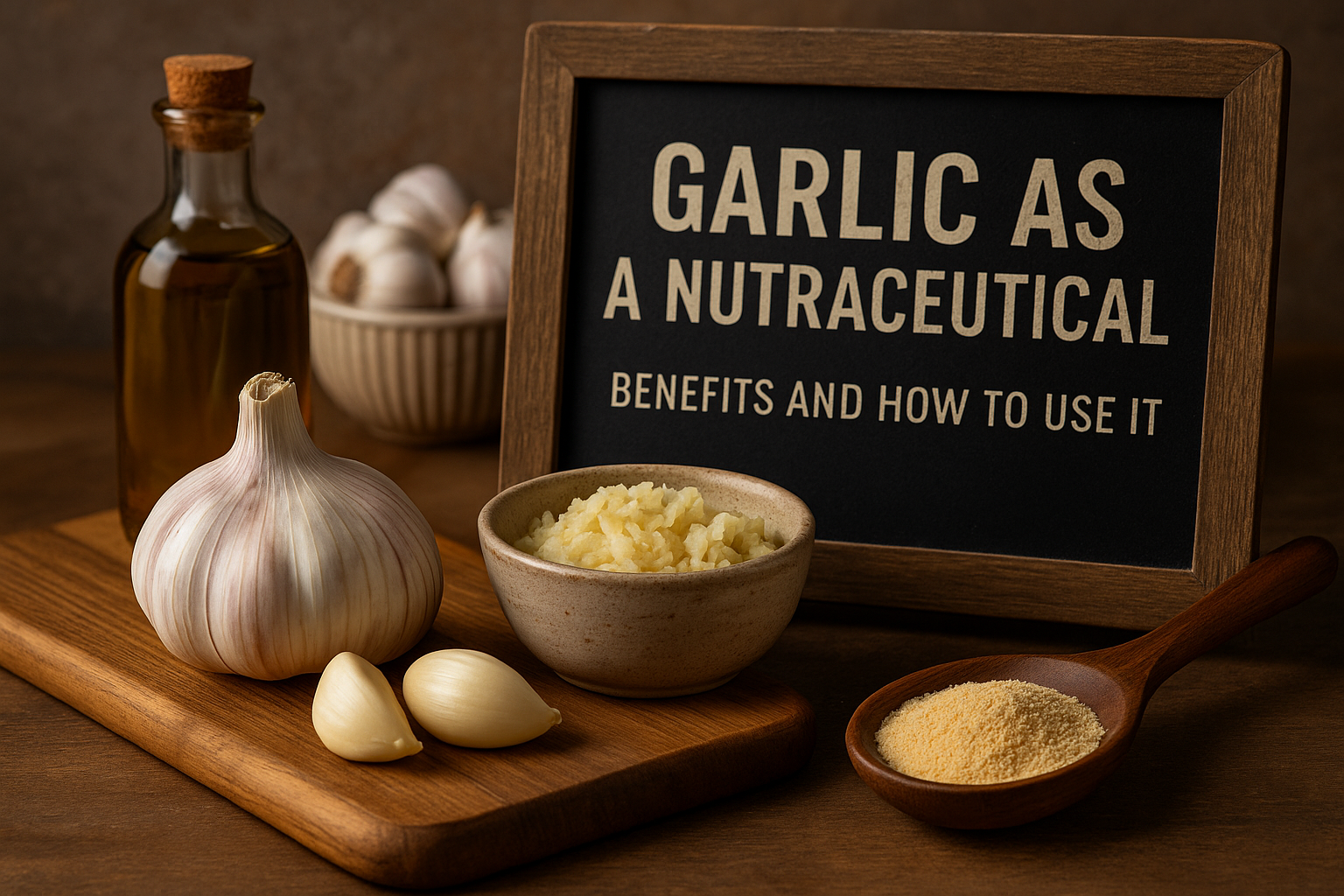
Garlic as a Nutraceutical: Cultural Traditions and Scientific Insights
⚠️ Important Notice:
This article explores cultural uses and biochemical properties of garlic. Supplements aren’t intended to diagnose, treat, or prevent disease. Consult your healthcare provider before changing your wellness routine.
Introduction
Garlic (Allium sativum) stands as one of humanity’s oldest cultivated plants, with recorded use dating back 5,000 years in Egyptian, Indian, and Chinese civilizations. Traditionally valued both in cuisine and cultural wellness practices, garlic represents a fascinating convergence of nutrition and ancestral tradition.
Bioactive Compounds: The Science Behind the Legend
Garlic’s phytochemical profile includes sulfur compounds attracting scientific interest:
- Allicin: Formed when garlic is crushed, studied for metabolic effects (Journal of Nutrition, 2001)
- S-allyl cysteine: Stable compound with antioxidant properties
- Organosulfur compounds: Found in various Allium family plants
Cultural Perspectives and Modern Research
Global Traditions
Diverse cultures incorporated garlic into wellness practices:
- Ancient Egypt: Mentioned in Ebers Papyrus (1550 BC) as ingredient in traditional preparations
- Ayurveda: Used in formulations for metabolic balance
- Mediterranean Cultures: Integrated in daily diet for holistic lifestyle support
Contemporary Research Focus
Current studies examine garlic’s biochemical mechanisms:
- Cellular protection through antioxidant enzyme activity (Advances in Experimental Medicine, 2007)
- Metabolic process modulation in lipid studies (Journal of Nutrition, 2016)
- Microbial interactions in laboratory settings
Incorporating Garlic into Modern Lifestyles
Traditional Preparation Methods
To optimize bioactive compounds:
- Crush/chop fresh garlic → rest 10 minutes before use
- Combine with fats (e.g., olive oil) → enhances nutrient absorption
- Low-temperature cooking → preserves heat-sensitive compounds
Dietary Integration Ideas
- Raw garlic in dressings and sauces
- Roasted garlic in vegetable dishes
- Garlic-infused oils for flavoring
Considerations for Supplement Use
When exploring garlic supplements:
- Choose standardized extracts (e.g., aged garlic extract)
- Verify third-party testing for quality
- Consult healthcare professional regarding:
- Potential medication interactions (especially blood-thinning agents)
- Individual tolerance levels
Cultural Recipe: Traditional Garlic Tonic
Inspired by Mediterranean folk practices
Ingredients:
- 1 crushed garlic clove
- 1 tbsp raw honey
- Juice of ½ lemon
- Warm water (not boiling)
Preparation:
Combine ingredients and stir well. This tonic reflects historical cultural uses.
Scientific References
- Ried K, et al. Aged Garlic Extract Reduces Blood Pressure in Hypertensives. Eur J Clin Nutr (2013)
- Lawson LD. Allicin Bioavailability from Garlic Supplements. J Nutr (2001)
- Rahman MS. Allicin and Functional Components in Garlic. Curr Med Chem (2007)
Garlic is one of the oldest cultivated plants in the world, known not only for its bold flavor but also for its powerful medicinal properties. Often considered a “functional food,” garlic bridges the gap between nutrition and medicine, making it a true nutraceutical.
In this article, we’ll explore the science-backed health benefits of garlic, its key active compounds, and how you can use it to improve your health naturally—whether you’re fighting off illness, supporting heart health, or enhancing your immune system.
What Makes Garlic a Nutraceutical?
A nutraceutical is defined as a food or part of a food that provides medical or health benefits, including disease prevention or treatment. Garlic fits this definition due to its rich composition of:
- Allicin: a sulfur-containing compound with antibacterial and antiviral properties
- S-allyl cysteine: a potent antioxidant
- Organosulfur compounds: known to reduce inflammation and support detoxification
These compounds make garlic one of the most well-researched natural remedies in history, widely used in herbal and functional medicine.
Proven Health Benefits of Garlic
1. Supports Heart Health
Garlic is renowned for its ability to improve cardiovascular health.
- Lowers blood pressure: Studies show that garlic supplements can reduce systolic and diastolic pressure, especially in hypertensive patients.
- Reduces cholesterol: Garlic can modestly lower LDL (bad) cholesterol and raise HDL (good) cholesterol.
- Improves circulation: It enhances blood flow and helps prevent arterial plaque buildup.
2. Boosts Immunity
Garlic has natural antiviral, antibacterial, and antifungal properties. Regular consumption may:
- Shorten the duration and severity of colds
- Enhance immune response
- Help the body combat infections naturally
In one study, participants who took garlic supplements experienced fewer colds and recovered faster than those who didn’t.
3. Fights Inflammation
Chronic inflammation is a leading contributor to many diseases. Garlic’s sulfur compounds help:
- Reduce inflammatory markers in the blood
- Protect cells from oxidative stress
- Calm overactive immune responses
4. Detoxifies Heavy Metals
Garlic supports detoxification, especially in people exposed to heavy metals like lead. It does this by:
- Increasing antioxidant enzymes
- Reducing metal concentration in the blood
- Preventing organ damage caused by toxins
5. May Help Prevent Cancer
While more research is needed, some studies suggest that garlic may:
- Inhibit the growth of cancer cells
- Reduce risk of stomach and colon cancers
- Enhance the body’s ability to repair DNA
This is largely attributed to organosulfur compounds and their ability to neutralize carcinogens.
Best Ways to Use Garlic for Health Benefits
To maximize garlic’s effectiveness, preparation and timing matter.
1. Use Fresh Garlic
Fresh garlic contains the most potent active compounds. Crush or chop garlic and let it sit for 10 minutes before cooking—this allows the formation of allicin.
- Add raw garlic to salads, salsas, or dips
- Blend into salad dressings with olive oil and lemon
2. Cook With Garlic
Cooking garlic mellows its flavor but can reduce some of its medicinal properties. To preserve more allicin:
- Add crushed garlic at the end of cooking
- Roast garlic for a sweeter, gentler flavor
3. Use Garlic Oil
Garlic-infused oil can be used topically for antifungal or antibacterial purposes (like treating athlete’s foot or ear infections) or used for cooking.
4. Try Garlic Supplements
If you can’t consume enough garlic through food—or don’t like the taste—garlic capsules are a convenient alternative.
Look for:
- Aged garlic extract
- Standardized allicin content
- Odorless formulas (optional)
Recommended Dosage
- Raw garlic: 1–2 cloves per day
- Aged garlic extract: 600–1200 mg per day (split into two doses)
- Powdered garlic: 300–1000 mg per day (standardized to allicin)
Important: Always consult a healthcare provider if you’re on medication (especially blood thinners), as garlic can enhance bleeding risk.
Garlic and Blood Sugar
Some research suggests that garlic may improve insulin sensitivity and help regulate blood sugar in people with type 2 diabetes. It’s not a replacement for medication but can be a supportive therapy.
Side Effects and Precautions
While garlic is generally safe, high doses may cause:
- Bad breath and body odor
- Upset stomach or bloating
- Heartburn (especially in raw form)
- Increased bleeding risk (especially before surgery)
If you’re taking anticoagulants or preparing for surgery, consult your doctor before using garlic therapeutically.
How to Make a Simple Garlic Tonic
Ingredients:
- 1 clove of raw garlic (crushed)
- 1 tbsp raw honey
- Juice of ½ lemon
- Warm water
Instructions:
Mix all ingredients and drink on an empty stomach. This natural tonic can support your immune system, especially during cold and flu season.
Final Thoughts: Small Clove, Big Benefits
Garlic is a true powerhouse when it comes to natural health. As a nutraceutical, it offers a combination of scientific credibility and ancient wisdom, supporting everything from immunity to heart health to detoxification.
Whether you prefer it raw, roasted, or in supplement form, incorporating garlic into your daily routine is one of the simplest—and most effective—steps you can take toward vibrant health.
Let food be your medicine, and let garlic lead the way.