
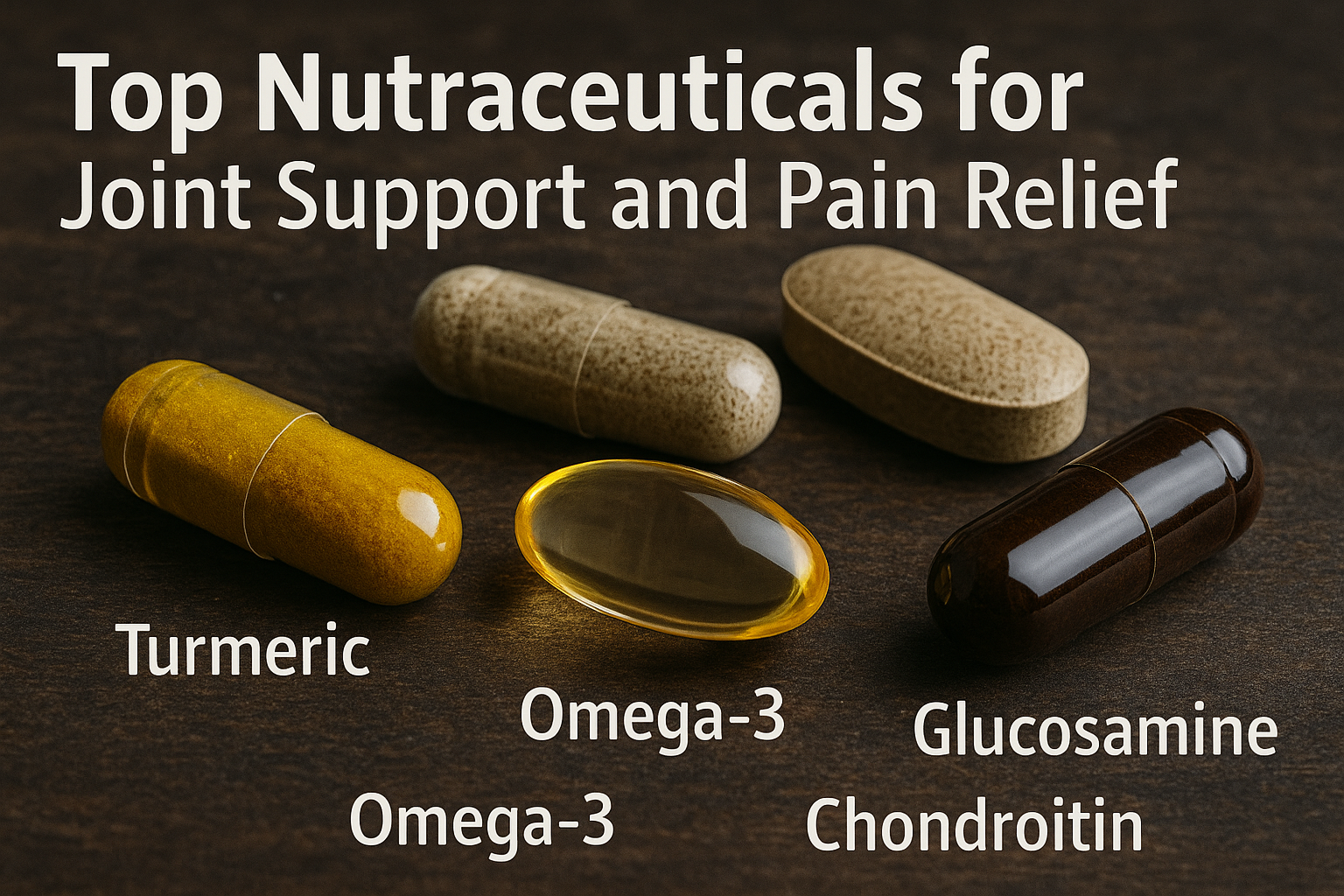
Joint pain is a common issue that affects millions of people worldwide. Whether caused by aging, physical activity, arthritis, or injury, joint discomfort can significantly impact quality of life. Fortunately, certain nutraceuticals—natural compounds found in foods and supplements—have been shown to help support joint health, reduce inflammation, and alleviate pain.
In this article, we’ll explore the most effective nutraceuticals for joint support, backed by research, and offer tips on how to integrate them into your daily routine.
Understanding Joint Pain
Before diving into nutraceuticals, it’s helpful to understand what causes joint pain. Common factors include:
- Osteoarthritis (wear-and-tear of cartilage)
- Rheumatoid arthritis (autoimmune inflammation)
- Injury or overuse
- Aging and reduced collagen production
Joint pain often comes with inflammation, stiffness, and limited mobility. Nutraceuticals can help by targeting inflammation, supporting cartilage repair, and improving flexibility.
What Are Nutraceuticals?
Nutraceuticals are bioactive compounds derived from foods or dietary supplements that offer health benefits. Unlike pharmaceuticals, they’re not synthetic and often come with fewer side effects.
They can be found in:
- Whole foods
- Concentrated extracts
- Capsules and powders
- Functional beverages
Now let’s explore the top nutraceuticals for joint support.
1. Glucosamine
Glucosamine is a naturally occurring compound found in cartilage. It’s one of the most widely used supplements for osteoarthritis.
Benefits:
- May slow cartilage breakdown
- Reduces joint stiffness and pain
- Supports mobility
How to take: 1500 mg daily, often combined with chondroitin.
2. Chondroitin Sulfate
Usually paired with glucosamine, chondroitin is another key cartilage component.
Benefits:
- Inhibits enzymes that break down cartilage
- Improves joint function
- Reduces inflammation
How to take: 800–1200 mg per day.
3. Turmeric (Curcumin)
Curcumin, the active ingredient in turmeric, is a potent anti-inflammatory and antioxidant.
Benefits:
- Reduces joint inflammation
- Alleviates pain comparable to some NSAIDs (non-steroidal anti-inflammatory drugs)
- May slow progression of arthritis
How to take: 500–1000 mg per day, preferably with black pepper (piperine) for better absorption.
4. Omega-3 Fatty Acids
Found in fish oil, omega-3s are known for their anti-inflammatory properties.
Benefits:
- Reduce joint stiffness and tenderness
- Decrease inflammatory cytokines
- Improve range of motion in rheumatoid arthritis
How to take: 1000–3000 mg EPA/DHA per day.
5. MSM (Methylsulfonylmethane)
MSM is a sulfur compound that may help reduce oxidative stress and inflammation.
Benefits:
- Improves joint flexibility
- Reduces pain and swelling
- Enhances recovery post-exercise
How to take: 1500–3000 mg per day.
6. Boswellia Serrata (Indian Frankincense)
Boswellia is an herbal extract with powerful anti-inflammatory effects.
Benefits:
- Inhibits inflammation-causing enzymes
- Improves symptoms of osteoarthritis and rheumatoid arthritis
- Provides pain relief without the side effects of NSAIDs
How to take: 300–500 mg, 2–3 times per day.
7. Collagen
Collagen is the main structural protein in joints and cartilage.
Benefits:
- Supports cartilage regeneration
- Reduces joint pain in athletes and older adults
- Improves joint elasticity
How to take: 5–10 grams of hydrolyzed collagen per day.
8. Hyaluronic Acid
Hyaluronic acid acts as a lubricant and shock absorber in joints.
Benefits:
- Improves joint hydration and mobility
- Reduces friction and stiffness
- May support cartilage regeneration
How to take: 50–200 mg per day orally or via injection in clinical settings.
9. Vitamin D
Vitamin D is essential for bone and joint health, and deficiency is linked to increased pain sensitivity.
Benefits:
- Supports calcium absorption
- Reduces inflammation
- Improves bone strength
How to take: 1000–2000 IU daily, or as recommended by a physician.
10. Ginger
Similar to turmeric, ginger contains compounds that reduce inflammation.
Benefits:
- Provides natural pain relief
- Improves circulation to joints
- May enhance flexibility
How to take: 500–1000 mg of extract per day or use fresh in teas and meals.
Tips for Joint Support
To complement your nutraceutical routine:
- Stay active: Low-impact exercise like swimming or walking keeps joints flexible
- Maintain a healthy weight: Less stress on joints
- Use anti-inflammatory foods: Like berries, leafy greens, and olive oil
- Stay hydrated: Lubricates joints and flushes out toxins
- Get enough sleep: Repairs joint tissues
Safety and Precautions
While nutraceuticals are generally safe, consider the following:
- Consult your doctor, especially if you’re on medication or pregnant
- Some may interact with blood thinners, like turmeric and ginger
- Use trusted brands with third-party testing for quality
Final Thoughts: A Natural Path to Joint Relief
Joint discomfort can make daily life challenging, but nutraceuticals offer a promising, natural approach to managing pain and improving mobility. Backed by research, compounds like glucosamine, turmeric, omega-3s, and collagen can help restore joint function and reduce inflammation—without the side effects of long-term medication use.
Consistency is key. With a healthy lifestyle and smart supplementation, you can move with more ease and less pain.