
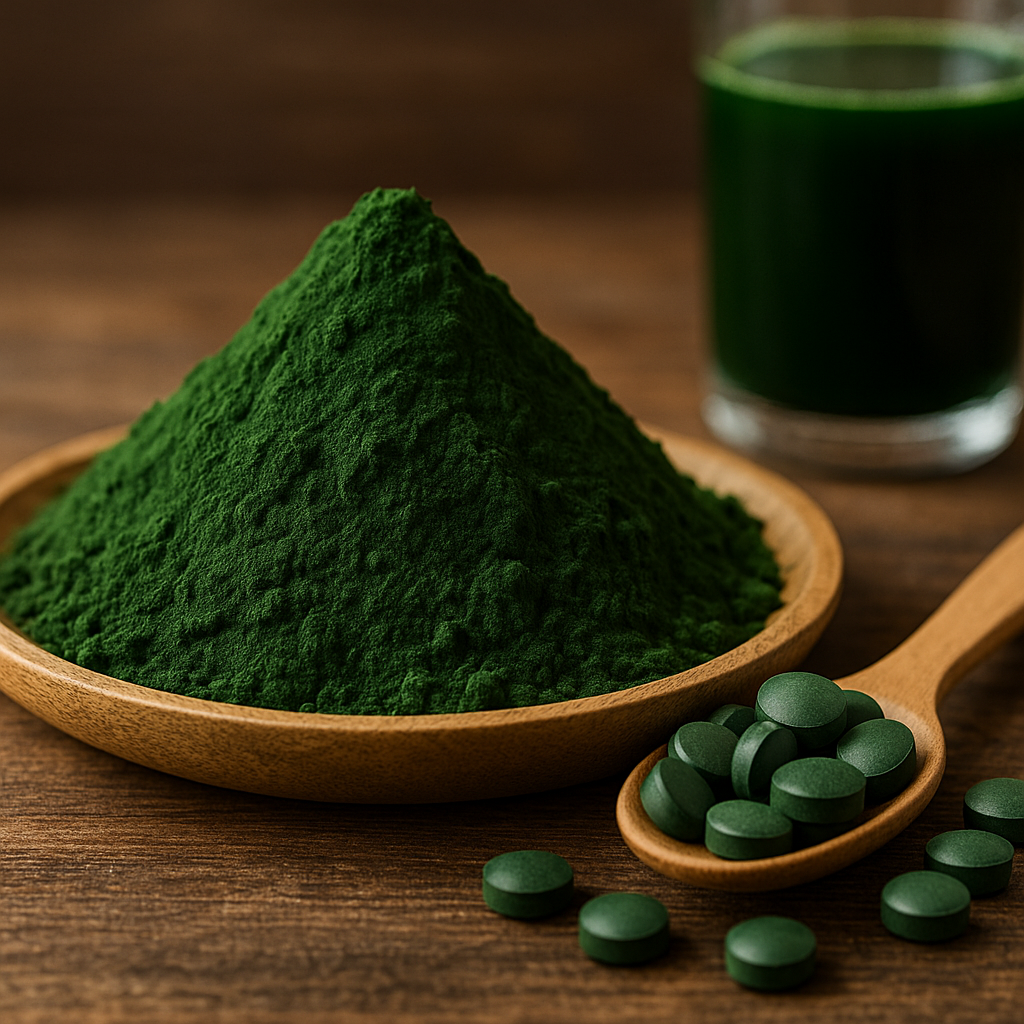
Spirulina is often referred to as one of the most powerful and nutrient-dense superfoods on the planet. This blue-green algae has been consumed for centuries, dating back to the Aztecs, and in recent years, it has gained global popularity for its impressive array of vitamins, minerals, and potential health benefits.
Whether added to smoothies, taken as a supplement, or stirred into water, spirulina offers a remarkable nutritional punch. In this article, we’ll explore what makes spirulina a true superfood, its health benefits, and how you can incorporate it into your diet.
What Is Spirulina?
Spirulina is a microscopic cyanobacterium, commonly referred to as blue-green algae. It thrives in both fresh and saltwater and grows naturally in lakes with high pH levels and warm temperatures. Today, it is cultivated around the world under controlled conditions to meet the increasing demand for this nutrient powerhouse.
It comes in powdered, tablet, or capsule form and is widely used in health supplements and superfood mixes.
Spirulina’s Nutritional Profile
One of the main reasons spirulina is considered a superfood is its incredible nutritional density. Just one tablespoon (7 grams) of dried spirulina contains:
- 4 grams of protein
- Vitamin B1 (thiamin) – 11% of the RDA
- Vitamin B2 (riboflavin) – 15% of the RDA
- Vitamin B3 (niacin) – 4% of the RDA
- Copper – 21% of the RDA
- Iron – 11% of the RDA
- Magnesium, potassium, and manganese in smaller but beneficial amounts
Spirulina is also a complete protein, meaning it contains all essential amino acids, making it ideal for vegetarians and vegans.
Key Health Benefits of Spirulina
1. Boosts Immune Function
Spirulina stimulates the production of antibodies and infection-fighting proteins, which can help enhance your immune response. It also has anti-inflammatory properties that may aid in overall immune regulation.
2. Detoxifies Heavy Metals
One of spirulina’s unique benefits is its ability to bind with heavy metals, such as arsenic, and help remove them from the body. Some studies have shown its potential to protect organs and reduce the damage caused by heavy metal toxicity.
3. Improves Muscle Endurance
Athletes and fitness enthusiasts often use spirulina to enhance endurance and reduce fatigue. Its antioxidant content may help prevent exercise-induced oxidative damage.
4. Supports Heart Health
Spirulina can lower bad LDL cholesterol, raise good HDL cholesterol, and reduce triglyceride levels, all of which are critical for cardiovascular health. It may also help lower blood pressure.
5. May Help Manage Blood Sugar
Some research indicates that spirulina may assist in regulating blood glucose levels, making it a potential natural aid for managing type 2 diabetes.
6. Anti-Inflammatory and Antioxidant Effects
Spirulina is rich in phycocyanin, a compound that gives it its green-blue color and offers strong antioxidant and anti-inflammatory properties. It helps combat oxidative stress, a major contributor to chronic disease and aging.
7. Promotes Gut Health
Spirulina has prebiotic properties, meaning it helps feed the beneficial bacteria in your gut. A balanced gut microbiome plays a key role in digestion, immune function, and even mood regulation.
Spirulina vs. Chlorella: What’s the Difference?
Both spirulina and chlorella are algae-based superfoods, but they have different nutritional compositions:
- Spirulina: More protein and phycocyanin, easier to digest, often used for energy and detox
- Chlorella: Higher in chlorophyll and may be better at binding heavy metals
Some health enthusiasts take both to get the best of both worlds.
How to Take Spirulina
Spirulina can be consumed in several ways:
- Powdered Form: Mix into smoothies, juices, or even salad dressings
- Tablets or Capsules: A convenient option for daily supplementation
- Energy Bars and Snacks: Found in many health food products
Pro Tip: Start with small amounts if you’re new to spirulina. Its strong flavor can be overpowering, so mixing it with fruit or citrus helps mask the taste.
Safety and Side Effects
Spirulina is generally considered safe for most people. However, there are a few precautions:
- Avoid if you have phenylketonuria (PKU) or autoimmune diseases
- Ensure it comes from reputable sources—poorly grown spirulina may be contaminated with toxins or heavy metals
- Mild side effects may include nausea or digestive upset in rare cases
If you’re pregnant, breastfeeding, or on medication, consult a healthcare provider before using spirulina.
The Environmental Impact
Spirulina is not only good for your health—it’s also eco-friendly. It requires significantly less land, water, and resources compared to animal protein or other crops. This makes it a sustainable source of nutrients for a growing global population.
Is Spirulina Right for You?
If you’re looking to increase your intake of plant-based protein, improve your immune system, and boost your energy naturally, spirulina might be a valuable addition to your diet. It’s especially beneficial for:
- Vegetarians and vegans
- Athletes and fitness enthusiasts
- Individuals looking for detox and immune support
- Anyone interested in preventative nutrition
A Superfood from the Depths of Nature
Spirulina truly earns its place in the superfood hall of fame. Backed by research and centuries of traditional use, this algae delivers a wide range of health benefits in a small, nutrient-packed serving. Whether you’re an athlete, a busy professional, or someone just trying to eat healthier, spirulina offers an easy and effective way to boost your nutrition.